
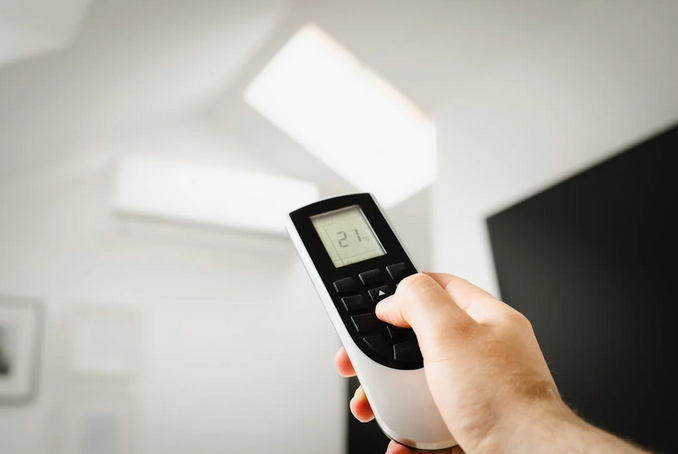
Your heating, ventilation, and air-conditioning (HVAC) system is one of the most important investments in your home. It keeps you comfortable year-round and directly impacts energy efficiency. While these systems are built for durability, their performance and longevity largely depend on proper care. By focusing on maintenance and being proactive, homeowners can save money on replacements and repairs while enjoying consistent comfort. This guide explores proven tips to make your HVAC system last longer, highlighting steps that require little effort but deliver significant results over time. These practical suggestions are simple yet highly effective for homeowners who want to protect their investment.
Replace Air Filters Regularly
One of the simplest yet most impactful actions you can take is replacing your air filters routinely. Filters accumulate dust, dirt, and pet dander, restricting airflow and forcing this system to work harder than necessary. A clogged filter reduces efficiency, raises utility bills, and places unnecessary strain on the system. Experts recommend checking filters monthly and replacing them every one to three months, depending on usage and indoor conditions. Fresh filters improve air quality and allow your HVAC to operate at peak capacity.
Schedule Professional Maintenance
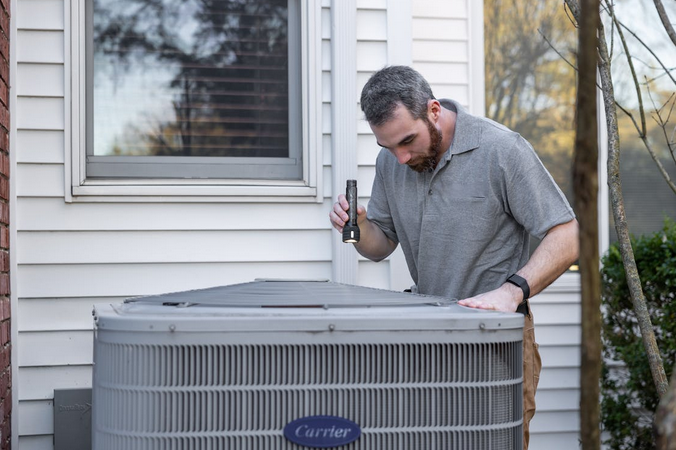
Just like a vehicle benefits from routine servicing, HVAC systems require regular inspections by a professional. Having a technician examine your system twice a year—typically once before summer and once before winter—can identify minor mechanical issues before they become costly repairs. During a maintenance visit, a specialist cleans components, checks refrigerant levels, lubricates moving parts, and confirms that the thermostat is functioning correctly. This professional attention significantly extends the unit’s lifespan while maintaining consistent performance.
Keep Outdoor Units Clean and Clear
Outdoor units are often overlooked, yet their condition is major in HVAC longevity. Over time, leaves, dirt, grass clippings, and other debris obstruct airflow around the condenser. This forces the system to exert extra energy, shortening its life expectancy. Homeowners should regularly clear a two-foot space around the unit and gently clean the exterior fins with a garden hose. Avoid placing heavier objects on or near the system. A clean outdoor unit means the system runs more efficiently and experiences less wear.
Manage Thermostat Usage Wisely
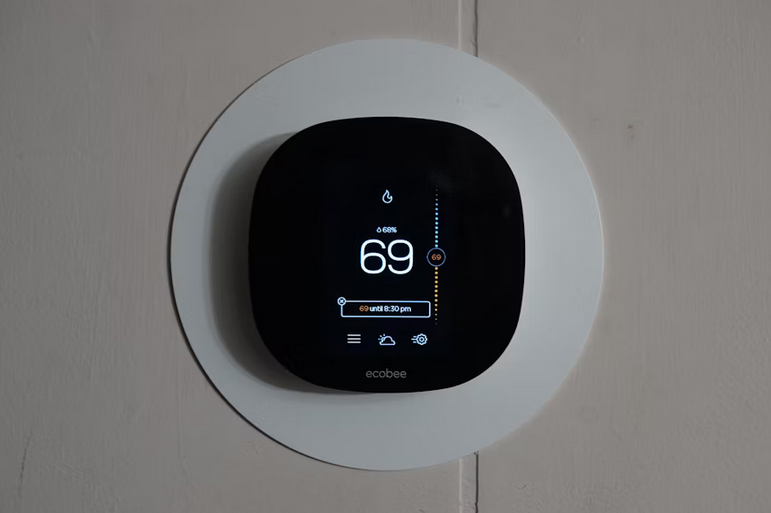
How you use your thermostat directly impacts your HVAC system’s durability. Constantly adjusting the temperature or setting it to extreme highs or lows forces the system to cycle more frequently, wearing it out prematurely. A smart thermostat or programmable model allows you to set schedules that balance comfort and efficiency. For example, raising the temperature slightly when no one is home in summer or lowering it in winter prevents unnecessary strain. Proper thermostat habits can reduce overall system workload, leading to fewer breakdowns and longer service life.
Improve Home Insulation and Ventilation
Your HVAC doesn’t work alone—it is part of your home’s overall environment. Poor insulation and leaky ducts force the system to compensate for lost air, increasing its workload. Similarly, blocked vents or closed registers create pressure imbalances that hinder performance. To prevent this, check that ducts are correctly sealed and vents remain unobstructed. Additionally, improving insulation in attics, walls, and basements reduces energy loss. These adjustments ease the strain on your HVAC system, allowing it to function smoothly for many years.
Making your HVAC system last longer doesn’t require complicated steps—it comes down to consistent and thoughtful maintenance. The top five practices every homeowner should focus on include replacing air filters regularly, scheduling professional maintenance, keeping outdoor units clean, managing thermostat usage wisely, and improving insulation and ventilation. By integrating these habits into your routine, you extend the lifespan of your system, cut down on costly repairs, and maintain a comfortable living environment. A little proactive effort now helps you enjoy reliable performance from your HVAC system well into the future.
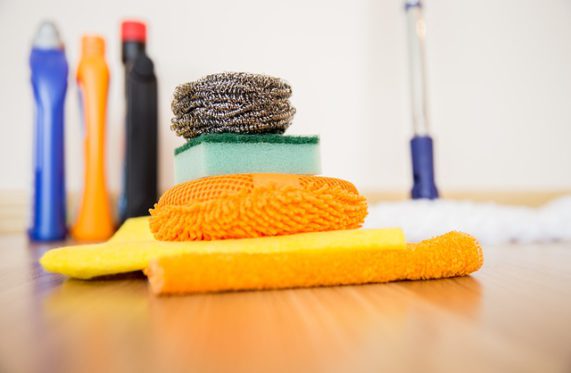

 We get it, water is the solution to everything. But when it comes to cleaning, using too much water can actually cause more harm than good. Excess moisture can lead to mold and mildew growth, especially in areas like the bathroom or kitchen. So, make sure you’re not overdoing it with the H2O.
 Singapore is a multi-cultural city. We have people from all over the world living here. As a result, our homes are a reflection of our diverse cultures. You will find furniture from all over the world in Singaporean homes. This is one of the things that makes our furniture scene so unique and interesting. One of the biggest populations in Singapore is those of Chinese ethnicity, and the Chinese love congregating due to the many holidays.
 Singaporeans are practical people, and we like our homes to be functional as well as beautiful. Homeowners are always on the lookout for furniture that is both stylish and practical. One of the most popular trends in Singapore right now is modular furniture. Modular furniture is perfect for small homes as it is very versatile and can be used in many different ways.