Are you planning a home renovation that involves electrical work? Before you pick up that toolbox or call in your handy uncle, consider the game-changing benefits of hiring a licensed electrician. While DIY projects can be tempting and satisfying, cutting corners can lead to serious safety hazards and costly mistakes when it comes to electricity. In this blog post, we’ll explore the top reasons why enlisting the expertise of a licensed electrician is not just smart—it’s essential for ensuring your renovation goes off without a hitch.
Safety First: Protect Yourself and Your Home
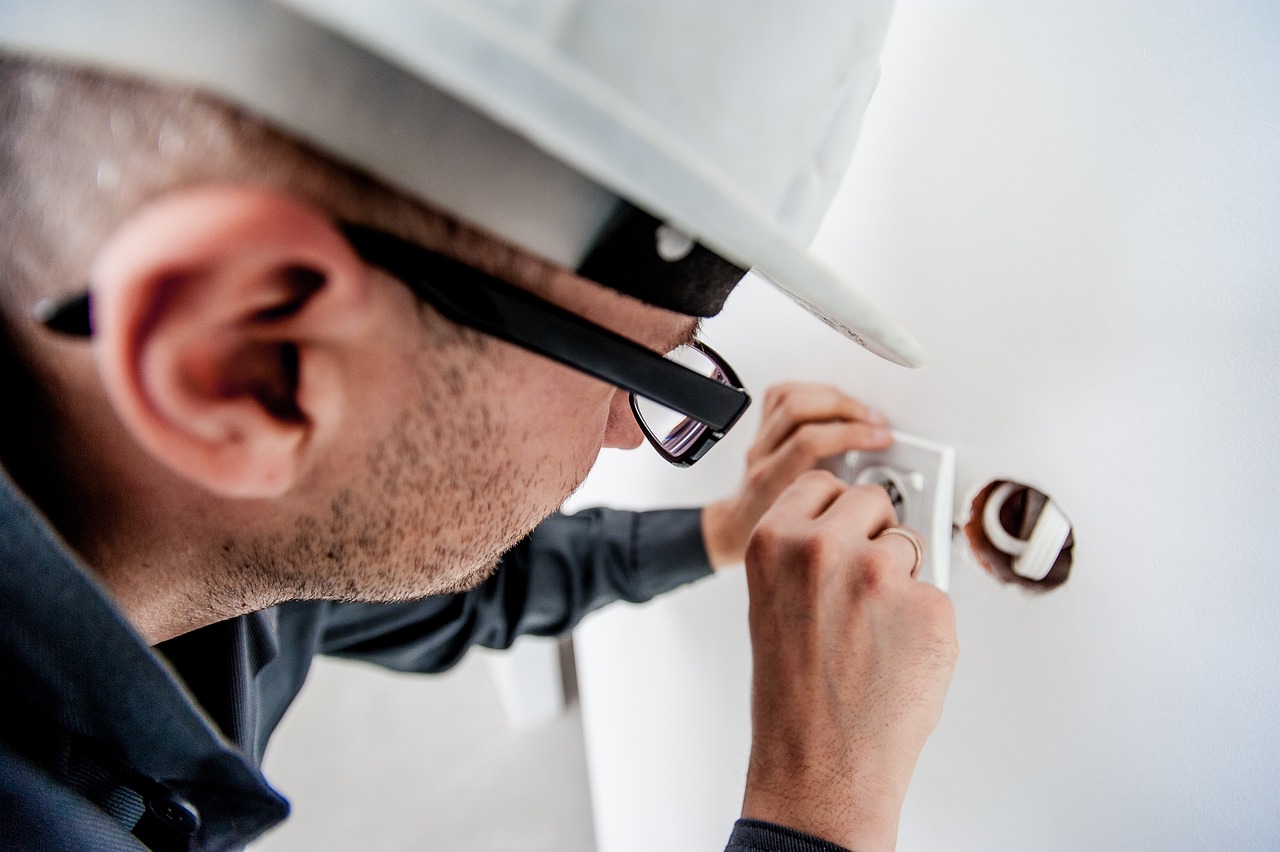
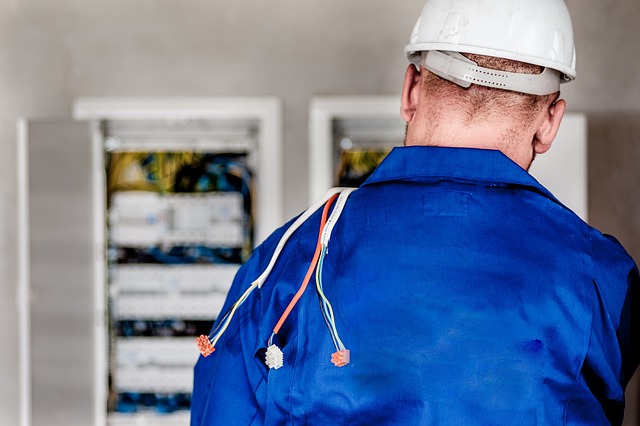
 Safety is the most important reason to hire a licensed electrician. Electrical work involves dealing with potentially hazardous wires, circuits, and voltage, which can cause severe injury or even death if improperly handled. Even if you have a basic understanding of electrical systems, making mistakes can easily result in dangerous situations. A licensed electrician has undergone extensive training and education to understand electrical codes and safety protocols. They know how to work with electricity safely and wire systems properly and avoid hazards like electrical fires or shock.
Knowledge of Codes and Regulations
Electrical work isn’t just about connecting wires—it’s also about following strict codes and regulations. Every area has local building codes that dictate how electrical systems should be installed, repaired, or upgraded. These codes are in place to ensure that work is done to a high standard of safety and quality. Licensed electricians are familiar with these regulations and will ensure that any work done in your home complies with local codes. If you attempt the work yourself, you may unknowingly break these codes, leading to costly fines, delays, or even having to redo the entire job.
Expertise and Experience
A licensed electrician brings years of training and hands-on experience to the table. They’ve worked on various electrical systems and have likely dealt with issues that might be beyond the scope of a DIY project. Whether troubleshooting a faulty circuit, upgrading an electrical panel, or wiring a new appliance, a professional knows how to handle it easily. Plus, if something goes wrong, they have the expertise to fix it quickly and efficiently, saving you from the frustration of trial and error.
Time and Cost Savings
 It’s easy to think that DIY electrical work will save you money, but more often than not, it costs you more in the long run. Without the right tools, knowledge, and experience, you might make costly mistakes that lead to more damage or require repairs down the line. Even if the project initially seems simple, electrical issues can be complex, and a wrong move can lead to bigger problems. Hiring a licensed electrician can actually save you time and money by getting the job done right the first time. They have the tools, expertise, and experience to work efficiently, which means less time spent on your project and fewer chances for mistakes.
Peace of Mind and Insurance Protection
When you hire a licensed electrician, you’re not just getting someone who’s skilled in electrical work—you’re also getting peace of mind. Most licensed electricians are insured, which means that if anything goes wrong during the job, you won’t be left holding the bill. Whether it’s damage to your home or an injury on the job, the electrician’s insurance will cover the costs, so you won’t have to worry about financial liability. In contrast, if you attempt electrical work yourself or hire an unlicensed contractor, you could be putting yourself at risk. Without insurance or proper licensing, you could end up paying for repairs, damage, or injuries that occur during the project.
Long-Term Value
Ultimately, hiring a licensed electrician ensures that your home’s electrical system is functional and built to last. With their expertise, you can rest assured that your electrical systems will be installed or repaired to a high standard. This is especially important if you’re planning any major upgrades to your home, such as adding new outlets, installing ceiling fans, or upgrading your electrical panel. When you hire a licensed electrician, you’re investing in your home’s long-term value and safety. It’s a decision that will pay off for years to come.
While taking on electrical work yourself might be tempting, hiring a licensed electrician is always the smarter choice. From ensuring safety and compliance with regulations to saving time and money, a licensed professional brings invaluable expertise to any home project. By investing in a licensed electrician, you’re protecting your home, your family, and your peace of mind.
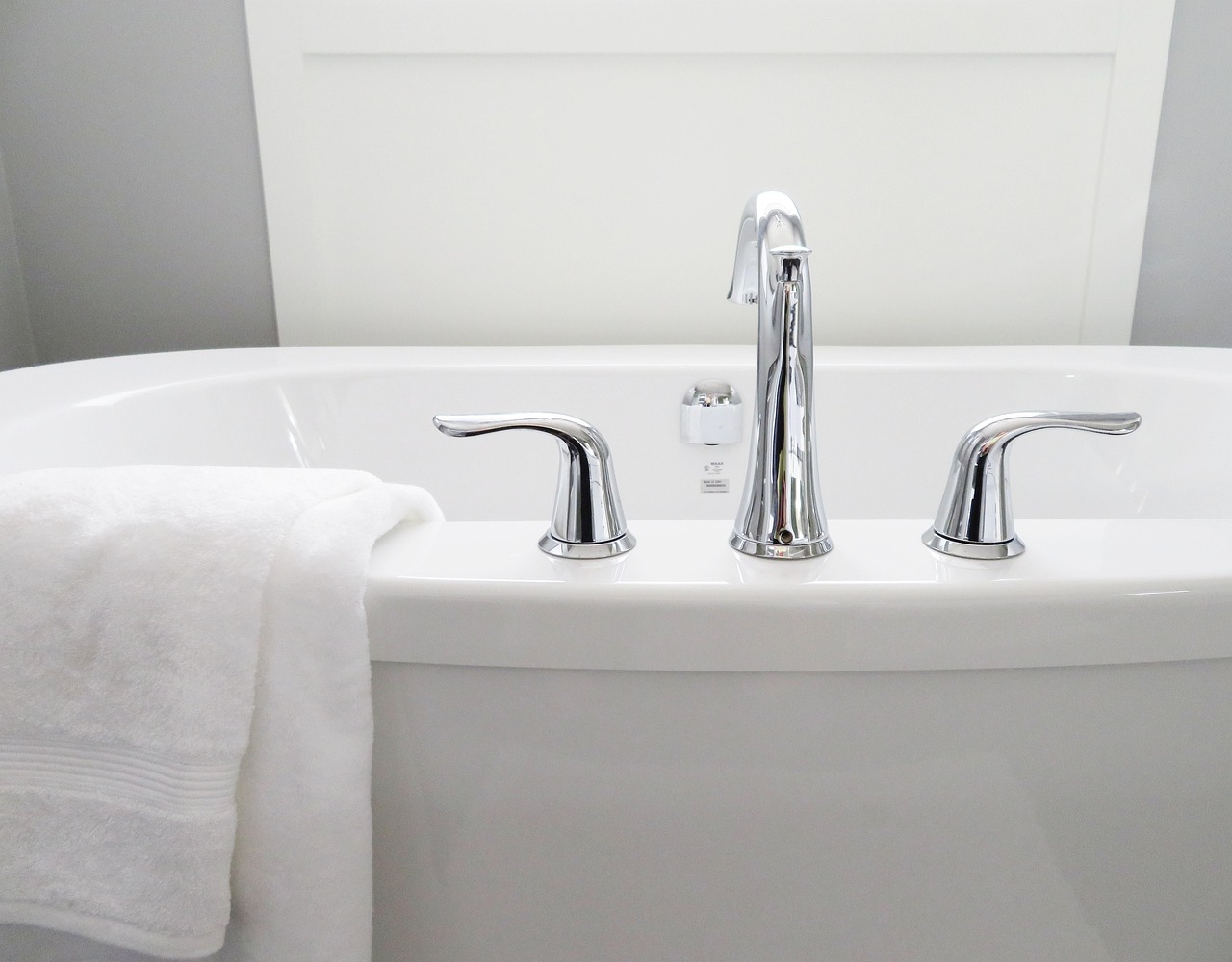
 One of the most significant advantages of converting your tub to a shower is the increased accessibility it offers. Traditional tubs can be challenging for people with mobility issues, making daily routines cumbersome and risky. Showers often come with low or no thresholds, allowing for easy entry and exit. This design minimizes the chances of slips or falls—common concerns in wet environments. Additionally, many modern showers feature grab bars and built-in seating options, providing extra support during use. These elements not only enhance safety but also promote independence for those who may need assistance.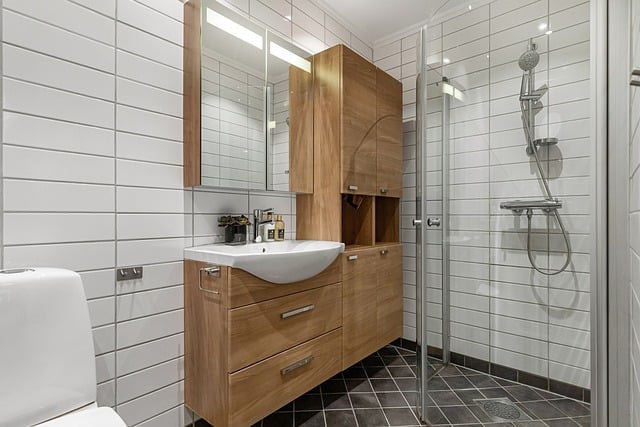
 A tub-to-shower conversion can significantly boost your home’s appeal. Many buyers prioritize modern amenities today, and a sleek shower fits the bill better than a bulky bathtub. This transformation enhances aesthetics and aligns with current lifestyle trends. More people are opting for quick, efficient showers over lengthy baths. Potential buyers may find this upgrade particularly enticing, especially in smaller houses where space is at a premium. A well-designed shower can create the illusion of more room, adding to that coveted open-space feel. Additionally, energy-efficient fixtures can be integrated into the new design. This helps reduce water usage and signals cost savings to prospective homeowners.

 Air purifiers help to remove dust mites and other particles from the air. To ensure that you get rid of all dust mites in your home, it is important to choose an air purifier with a HEPA filter. These filters can trap up to 99% of small particles, including dust mites, pollen, and pet dander. If you are new to air purifiers, you can read reviews online to find out which one is the most suitable for you. Make sure that you purchase one from a reputable brand. Depending on the size of your living space, you may need to buy more than one purifier.
 Replacing your carpets can drastically reduce the number of dust mites in your home. Carpets and rugs are a big source of dust mite infestations, so opting for hardwood floors or tile instead is the best way to get rid of them. If you don’t want to go through with this option, then you can invest in a good vacuum cleaner that is specifically designed to pick up dust mites. Some people even get them professionally cleaned.