
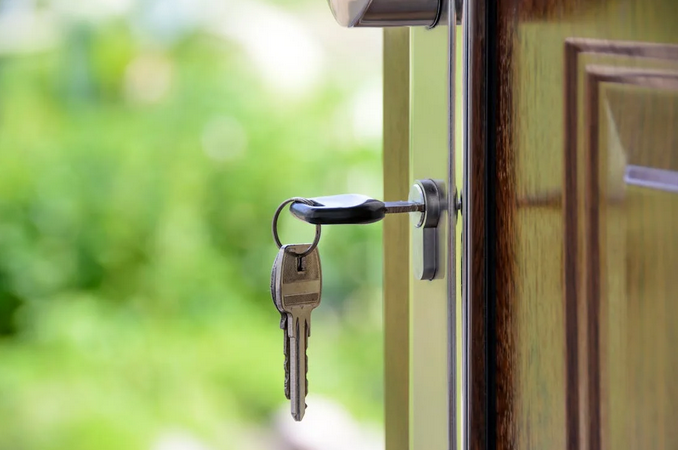
Home renovations are an exciting opportunity to refresh your living space, improve functionality, and enhance security. Amidst the many design and functional upgrades, improvements done by locksmith services Austin can often be overlooked but are essential to securing your home. By investing in high-quality locks, rekeying, and modern security systems, you can ensure your renovated home looks great and is protected. Here’s a guide to the essential locksmith upgrades you should consider during your home renovation.
Upgrade to High-Security Locks
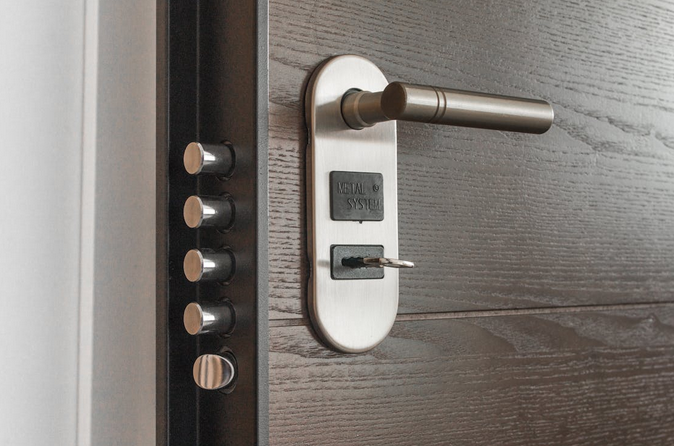
High-security locks are a crucial improvement for any home, especially during a renovation. These locks offer enhanced protection through specialized features, such as hardened steel construction, complex keyways, and resistance to picking and bumping. Unlike standard locks, high-security locks provide better protection against forced entry attempts, making them a worthwhile investment if you upgrade your home’s doors, windows, or access points. Consider high-security deadbolts or cylinder locks for entry doors. If your renovation includes areas like a garage, basement, or back doors, upgrading these locks can ensure all entry points are secure. High-security locks are designed to be difficult to tamper with, offering you an added layer of defense.
Install a Smart Lock System
Smart locks have become a popular addition for homeowners seeking convenience and flexibility. If your renovation includes updated doors or an entirely new entrance, it’s an ideal time to install a smart lock system. These locks allow keyless entry, remote control, and monitoring through smartphone apps. Smart locks often come with features like temporary access codes, entry logs, and the ability to integrate with other smart home devices. A smart lock provides more control over your home’s security, especially if you often have visitors, cleaners, or contractors coming to your home. With smart locks, you can change access codes as needed or lock and unlock doors remotely, making it easier to manage your home security without needing multiple keys.
Rekey Your Existing Locks
If replacing all locks isn’t necessary or within your budget, rekeying can be an effective option. Rekeying involves adjusting the internal mechanism of your current locks so they work with a new key, preventing anyone with old keys from accessing your home. This is particularly useful if you’ve given out spare keys in the past or are concerned about previous tenants or contractors having copies. During a renovation, rekeying is a convenient, cost-effective way to ensure you’re the only one with access, especially if you’re changing doors. Rekeying also allows you to unify all locks to work with a single key, making access more convenient and reducing the need to carry multiple keys.
Strengthen Entry Doors and Windows
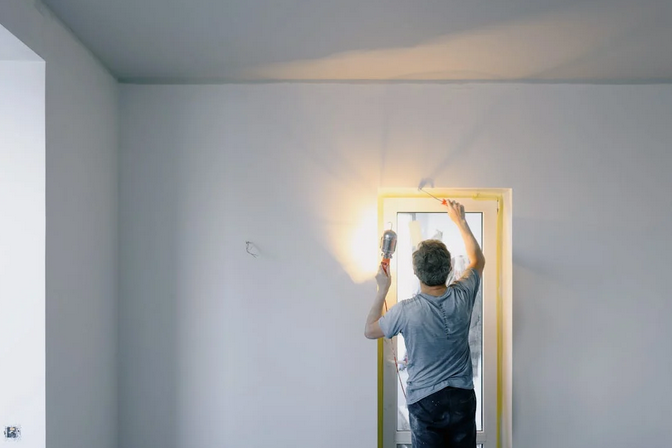
While locks are critical to security, reinforcing entry doors and windows enhances their effectiveness. Consider installing reinforced strike plates and metal plates affixed to the doorframe where the lock bolt enters. Reinforced strike plates are far more resistant to forced entry than standard ones and provide additional security against break-ins. Likewise, reinforcing window locks, especially on the ground floor or basement level, can deter potential intruders. Window security film or adding locking mechanisms to sliding windows and doors can be excellent additions. For patio doors, consider a secondary locking bar that prevents forced entry.
Renovating your home is the perfect time to assess and upgrade your security. High-security locks, smart locks, and rekeying can significantly enhance the protection of your renovated space. Reinforcing doors, securing windows, and adding a camera system further bolster your defenses, allowing you to enjoy your new space confidently. By prioritizing these locksmith upgrades, you’ll ensure your home is beautiful and a safe and secure haven for you and your family.

 Air purifiers help to remove dust mites and other particles from the air. To ensure that you get rid of all dust mites in your home, it is important to choose an air purifier with a HEPA filter. These filters can trap up to 99% of small particles, including dust mites, pollen, and pet dander. If you are new to air purifiers, you can read reviews online to find out which one is the most suitable for you. Make sure that you purchase one from a reputable brand. Depending on the size of your living space, you may need to buy more than one purifier.
 Replacing your carpets can drastically reduce the number of dust mites in your home. Carpets and rugs are a big source of dust mite infestations, so opting for hardwood floors or tile instead is the best way to get rid of them. If you don’t want to go through with this option, then you can invest in a good vacuum cleaner that is specifically designed to pick up dust mites. Some people even get them professionally cleaned.

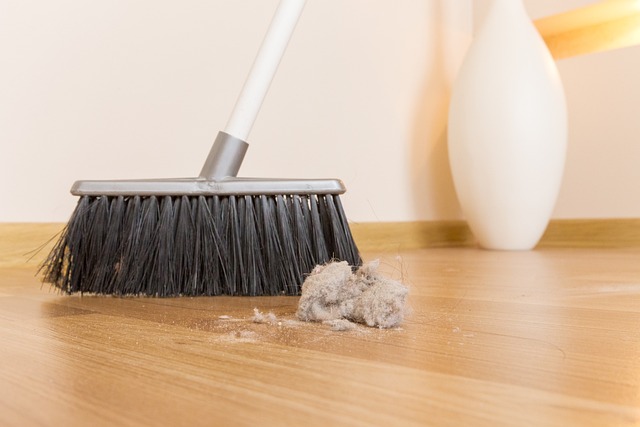
 We get it, water is the solution to everything. But when it comes to cleaning, using too much water can actually cause more harm than good. Excess moisture can lead to mold and mildew growth, especially in areas like the bathroom or kitchen. So, make sure you’re not overdoing it with the H2O.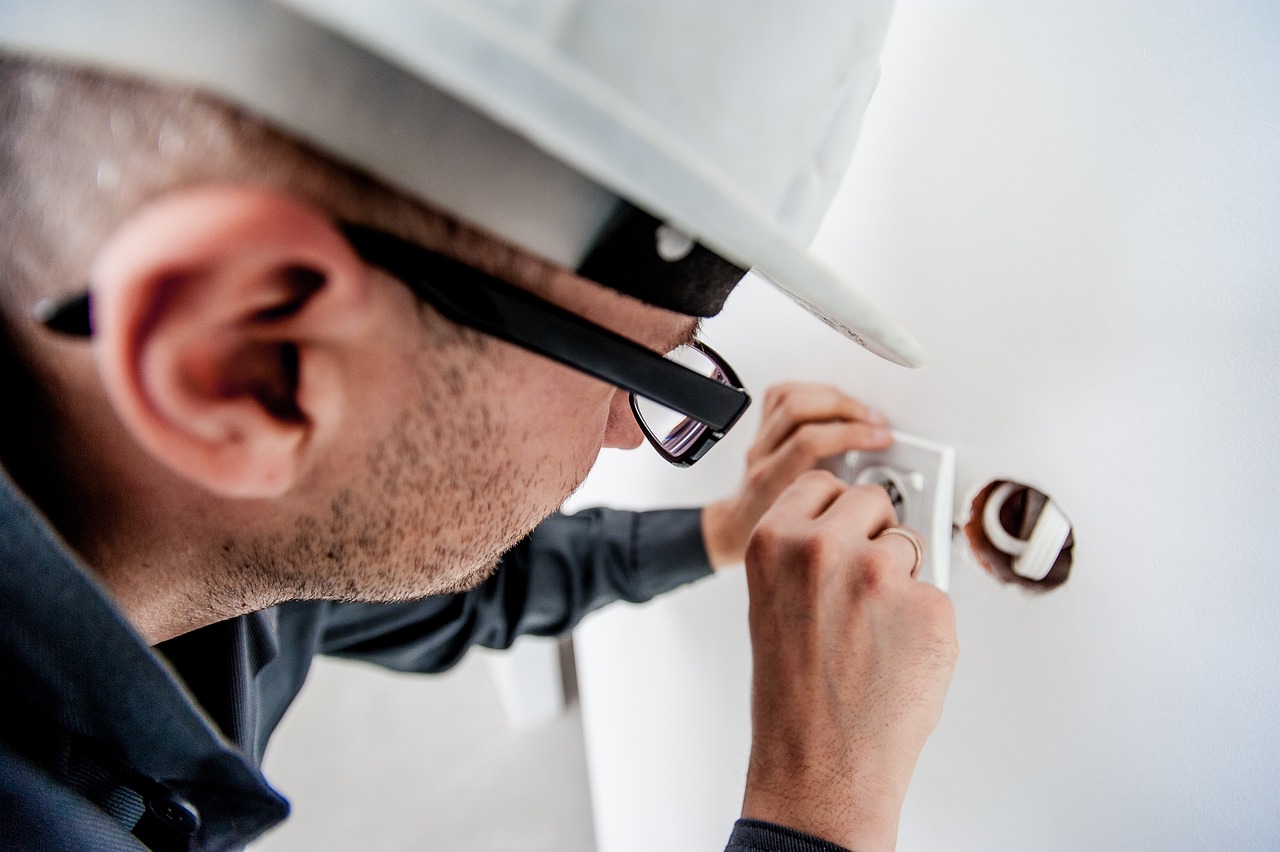
 Safety is the most important reason to hire a licensed electrician. Electrical work involves dealing with potentially hazardous wires, circuits, and voltage, which can cause severe injury or even death if improperly handled. Even if you have a basic understanding of electrical systems, making mistakes can easily result in dangerous situations. A licensed electrician has undergone extensive training and education to understand electrical codes and safety protocols. They know how to work with electricity safely and wire systems properly and avoid hazards like electrical fires or shock.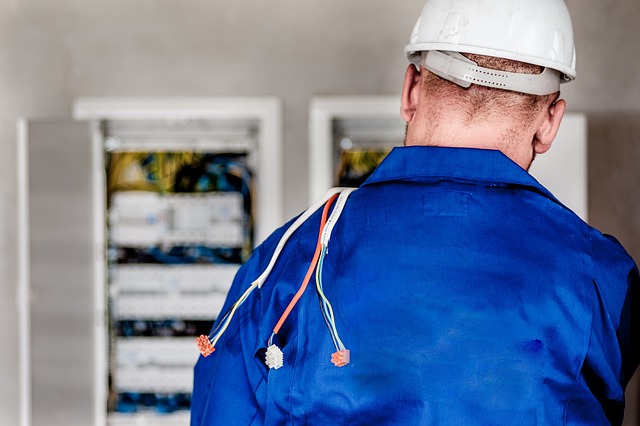
 It’s easy to think that DIY electrical work will save you money, but more often than not, it costs you more in the long run. Without the right tools, knowledge, and experience, you might make costly mistakes that lead to more damage or require repairs down the line. Even if the project initially seems simple, electrical issues can be complex, and a wrong move can lead to bigger problems. Hiring a licensed electrician can actually save you time and money by getting the job done right the first time. They have the tools, expertise, and experience to work efficiently, which means less time spent on your project and fewer chances for mistakes.