Proven Tips to Make Your HVAC System Last LongerProven Tips to Make Your HVAC System Last Longer

Your heating, ventilation, and air-conditioning (HVAC) system is one of the most important investments in your home. It keeps you comfortable year-round and directly impacts energy efficiency. While these systems are built for durability, their performance and longevity largely depend on proper care. By focusing on maintenance and being proactive, homeowners can save money on replacements and repairs while enjoying consistent comfort. This guide explores proven tips to make your HVAC system last longer, highlighting steps that require little effort but deliver significant results over time. These practical suggestions are simple yet highly effective for homeowners who want to protect their investment.

Replace Air Filters Regularly

One of the simplest yet most impactful actions you can take is replacing your air filters routinely. Filters accumulate dust, dirt, and pet dander, restricting airflow and forcing this system to work harder than necessary. A clogged filter reduces efficiency, raises utility bills, and places unnecessary strain on the system. Experts recommend checking filters monthly and replacing them every one to three months, depending on usage and indoor conditions. Fresh filters improve air quality and allow your HVAC to operate at peak capacity.

Schedule Professional Maintenance
maintenance

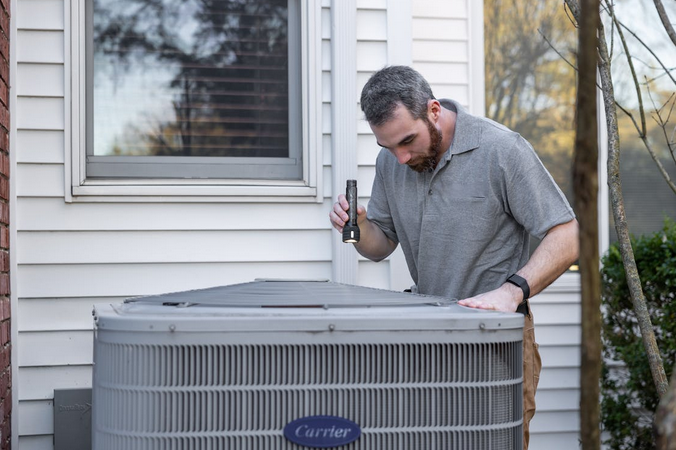
Just like a vehicle benefits from routine servicing, HVAC systems require regular inspections by a professional. Having a technician examine your system twice a year—typically once before summer and once before winter—can identify minor mechanical issues before they become costly repairs. During a maintenance visit, a specialist cleans components, checks refrigerant levels, lubricates moving parts, and confirms that the thermostat is functioning correctly. This professional attention significantly extends the unit’s lifespan while maintaining consistent performance.

Keep Outdoor Units Clean and Clear

Outdoor units are often overlooked, yet their condition is major in HVAC longevity. Over time, leaves, dirt, grass clippings, and other debris obstruct airflow around the condenser. This forces the system to exert extra energy, shortening its life expectancy. Homeowners should regularly clear a two-foot space around the unit and gently clean the exterior fins with a garden hose. Avoid placing heavier objects on or near the system. A clean outdoor unit means the system runs more efficiently and experiences less wear.

Manage Thermostat Usage Wisely
thermostat

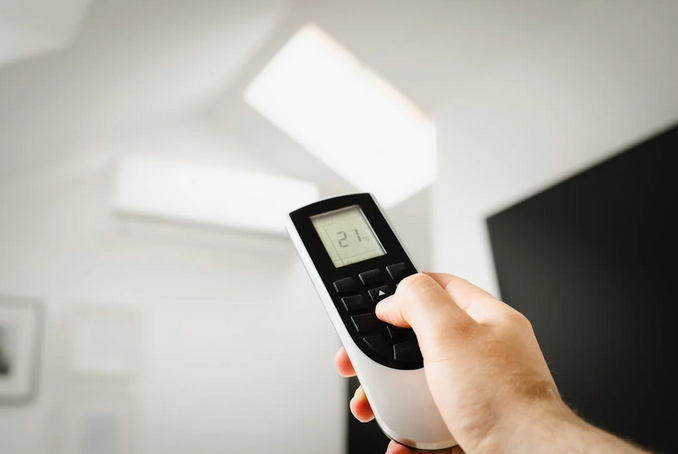
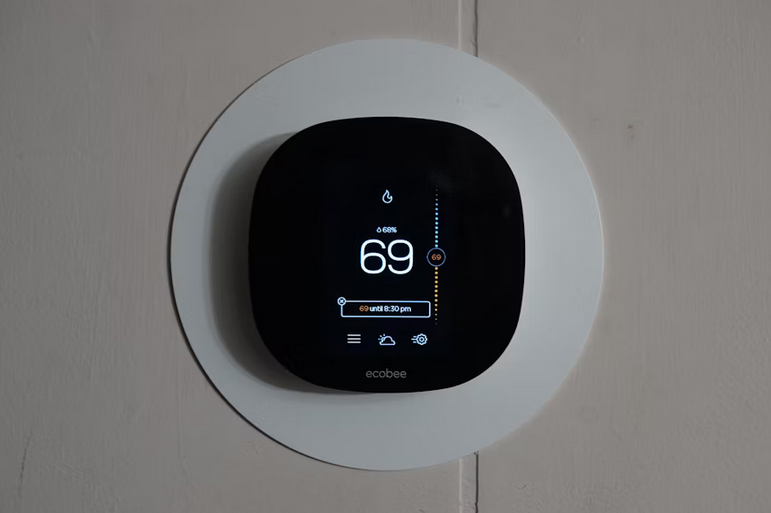
How you use your thermostat directly impacts your HVAC system’s durability. Constantly adjusting the temperature or setting it to extreme highs or lows forces the system to cycle more frequently, wearing it out prematurely. A smart thermostat or programmable model allows you to set schedules that balance comfort and efficiency. For example, raising the temperature slightly when no one is home in summer or lowering it in winter prevents unnecessary strain. Proper thermostat habits can reduce overall system workload, leading to fewer breakdowns and longer service life.

Improve Home Insulation and Ventilation

Your HVAC doesn’t work alone—it is part of your home’s overall environment. Poor insulation and leaky ducts force the system to compensate for lost air, increasing its workload. Similarly, blocked vents or closed registers create pressure imbalances that hinder performance. To prevent this, check that ducts are correctly sealed and vents remain unobstructed. Additionally, improving insulation in attics, walls, and basements reduces energy loss. These adjustments ease the strain on your HVAC system, allowing it to function smoothly for many years.

Making your HVAC system last longer doesn’t require complicated steps—it comes down to consistent and thoughtful maintenance. The top five practices every homeowner should focus on include replacing air filters regularly, scheduling professional maintenance, keeping outdoor units clean, managing thermostat usage wisely, and improving insulation and ventilation. By integrating these habits into your routine, you extend the lifespan of your system, cut down on costly repairs, and maintain a comfortable living environment. A little proactive effort now helps you enjoy reliable performance from your HVAC system well into the future.

Related Post

tool

Home Cleaning Mistakes You Are MakingHome Cleaning Mistakes You Are Making

Let’s be honest, cleaning your home can be a daunting task. It’s a never-ending battle against the dirt and grime that constantly accumulates. But are you sure you’re doing it right? You may be making some common cleaning mistakes without even realizing it. Don’t worry; we’re here to help you avoid those pitfalls and make your cleaning routine a breeze. Let’s dive into some of the home cleaning mistakes you might be making.

Not Reading Labelslabel

We all have those cleaning products we swear by, but are you reading the labels? Make sure you’re using them correctly and safely. Some products require specific dilution ratios or can’t be used on certain surfaces. Save yourself some trouble, and take the time to read the labels before you start scrubbing.

Ignoring Ventilation

When cleaning, ventilation is often an afterthought, but it’s essential for your health and safety. Make sure you’re cleaning in a well-ventilated area, whether it’s opening a window or turning on a fan. Using strong chemicals without proper ventilation can be harmful to your lungs and skin.

dust

Forgetting to Dust Before Vacuuming

Dust is a common culprit for allergies and respiratory issues, so getting rid of it before it accumulates is essential. Make sure you’re dusting surfaces before you vacuum so you’re not just pushing them around. Remember to use a microfiber cloth or a dusting tool not to spread the dust even more.

Not Cleaning Your Cleaning Tools

Cleaning your home requires tools, but are you taking care of them properly? Make sure you’re regularly cleaning and sanitizing your cleaning tools. This includes things like sponges, clothes, and mops. You don’t want to spread bacteria and germs around your home while trying to clean it.

Using Too Much Water

mopWe get it, water is the solution to everything. But when it comes to cleaning, using too much water can actually cause more harm than good. Excess moisture can lead to mold and mildew growth, especially in areas like the bathroom or kitchen. So, make sure you’re not overdoing it with the H2O.



Using the Wrong Cleaning Method

Not all surfaces are created equal, and neither are the cleaning methods. Make sure you’re using the correct cleaning method for each surface you’re cleaning. For example, using a harsh abrasive on a delicate surface can cause scratches and damage. Similarly, using a gentle cleaner on a tough stain won’t do much to help.

Not Rinsing Thoroughly

When it comes to cleaning products, make sure you’re rinsing them off thoroughly. Leaving any residue behind can be harmful, especially when it comes to products that you use on surfaces you eat off of. Take the time to rinse everything off completely so you’re not putting yourself or your family at risk. Cleaning your home doesn’t have to be a hassle. You can avoid making common mistakes by reading labels, using the right cleaning method and tools, and rinsing thoroughly. Follow those simple tips, and you’ll have a spotless home in no time.

house keys

Renovating Your Home? Don’t Forget These Essential Locksmith UpgradesRenovating Your Home? Don’t Forget These Essential Locksmith Upgrades

Home renovations are an exciting opportunity to refresh your living space, improve functionality, and enhance security. Amidst the many design and functional upgrades, improvements done by locksmith services Austin can often be overlooked but are essential to securing your home. By investing in high-quality locks, rekeying, and modern security systems, you can ensure your renovated home looks great and is protected. Here’s a guide to the essential locksmith upgrades you should consider during your home renovation.

Upgrade to High-Security Locks

door lock

High-security locks are a crucial improvement for any home, especially during a renovation. These locks offer enhanced protection through specialized features, such as hardened steel construction, complex keyways, and resistance to picking and bumping. Unlike standard locks, high-security locks provide better protection against forced entry attempts, making them a worthwhile investment if you upgrade your home’s doors, windows, or access points. Consider high-security deadbolts or cylinder locks for entry doors. If your renovation includes areas like a garage, basement, or back doors, upgrading these locks can ensure all entry points are secure. High-security locks are designed to be difficult to tamper with, offering you an added layer of defense.

Install a Smart Lock System

Smart locks have become a popular addition for homeowners seeking convenience and flexibility. If your renovation includes updated doors or an entirely new entrance, it’s an ideal time to install a smart lock system. These locks allow keyless entry, remote control, and monitoring through smartphone apps. Smart locks often come with features like temporary access codes, entry logs, and the ability to integrate with other smart home devices. A smart lock provides more control over your home’s security, especially if you often have visitors, cleaners, or contractors coming to your home. With smart locks, you can change access codes as needed or lock and unlock doors remotely, making it easier to manage your home security without needing multiple keys.

Rekey Your Existing Locks

If replacing all locks isn’t necessary or within your budget, rekeying can be an effective option. Rekeying involves adjusting the internal mechanism of your current locks so they work with a new key, preventing anyone with old keys from accessing your home. This is particularly useful if you’ve given out spare keys in the past or are concerned about previous tenants or contractors having copies. During a renovation, rekeying is a convenient, cost-effective way to ensure you’re the only one with access, especially if you’re changing doors. Rekeying also allows you to unify all locks to work with a single key, making access more convenient and reducing the need to carry multiple keys.

Strengthen Entry Doors and Windows

repair

While locks are critical to security, reinforcing entry doors and windows enhances their effectiveness. Consider installing reinforced strike plates and metal plates affixed to the doorframe where the lock bolt enters. Reinforced strike plates are far more resistant to forced entry than standard ones and provide additional security against break-ins. Likewise, reinforcing window locks, especially on the ground floor or basement level, can deter potential intruders. Window security film or adding locking mechanisms to sliding windows and doors can be excellent additions. For patio doors, consider a secondary locking bar that prevents forced entry.

Renovating your home is the perfect time to assess and upgrade your security. High-security locks, smart locks, and rekeying can significantly enhance the protection of your renovated space. Reinforcing doors, securing windows, and adding a camera system further bolster your defenses, allowing you to enjoy your new space confidently. By prioritizing these locksmith upgrades, you’ll ensure your home is beautiful and a safe and secure haven for you and your family.

wall

Wall Paneling Hacks: Easy Ways to Add Depth and Texture to Any RoomWall Paneling Hacks: Easy Ways to Add Depth and Texture to Any Room

Wall paneling is making a comeback, and for good reason. It adds character and warmth to any space while creating visual interest. See, no matter where you live, a boring apartment, or even a modern house, wall paneling can turn your walls from boring to beautiful. You may think of traditional wood paneling, but there are many contemporary options available that can add depth and texture to any room.

The best part is that interior wall paneling is easy to install and remove if you change your mind. So, if you’re ready to give your walls a makeover, here are some easy wall paneling hacks to try. These ideas are guaranteed to add depth and texture to any room in your home.

Paint Before Installation

Before you even think about installing wall panels, consider painting them first. This super quick step can save time and effort later on. Choose a color that complements your space. Painting the panels before installation allows for better coverage, especially in those tricky corners and grooves. It also gives you the freedom to create custom designs or patterns if you’re feeling adventurous.

Using spray paint is an option, too; it provides an even finish without brush strokes. If you’re going for a more rustic look, try distressing techniques after painting to add character. Don’t forget to allow adequate drying time before mounting the panels. This ensures they adhere properly while keeping your walls clean from accidental smudges or drips during installation.

Create a Faux Wainscoting Effect

paint

But what if you want something that can instantly elevate the look of your space? Well, you can try creating a faux wainscoting effect. You don’t need to commit to major renovations or hefty budgets. You just need to start by picking up a wall color that complements your existing decor. A classic white or soft pastel works beautifully for this effect. Next, use painter’s tape to outline where you want the panels to sit on the wall. It’s a must for achieving clean lines and an organized appearance. After taping, apply a contrasting color below the tape line. This creates depth without heavy construction work.

For added texture, consider adding trim pieces along the edges once everything dries. These small details mimic traditional wainscoting and bring sophistication into any room. The result? An inviting aesthetic that captures attention while being easy on your wallet!

Combine Wood, Metal, or Fabric Panels

If you’ve got a bigger budget, why don’t you mix the materials? In fact, mixing materials can elevate your space dramatically. Wood, metal, and fabric panels each offer unique textures and visual appeal. By combining them, you create a dynamic look that’s both cozy and modern. Wood, for instance, can bring warmth. It brings an organic feel to any room. Pair it with sleek metal accents for a touch of sophistication. Metal panels work great if you want something that can reflect light beautifully, enhancing the overall ambiance. Adding fabric introduces softness into the mix. The key? Just don’t forget to play with colors; bold contrasts or subtle tones can shift the entire vibe of the room effortlessly.

wood

Choose Peel-and-Stick Panels If You’re a Renter

Okay, you may also be worried about whether your landlord will charge you more for the wall paneling you’ve done to your room. Don’t worry. Peel-and-stick panels are a game changer for renters. These stylish options allow you to transform your space without damaging walls or losing your deposit. Installation is quick and hassle-free. You can achieve a stunning accent wall in no time at all. The variety of designs available means there’s something for every aesthetic. From rustic wood finishes to sleek modern patterns, these panels can elevate any room’s look. When it’s time to move out, simply remove the panels without leaving behind sticky residues or holes.

So, what do you think? Wall paneling is a quick and versatile way to enhance the aesthetic of any room. Incorporating wall paneling into your home decor opens up a world of possibilities for expression and style refinement. With these tips at hand, you’re well-equipped to tackle any project.