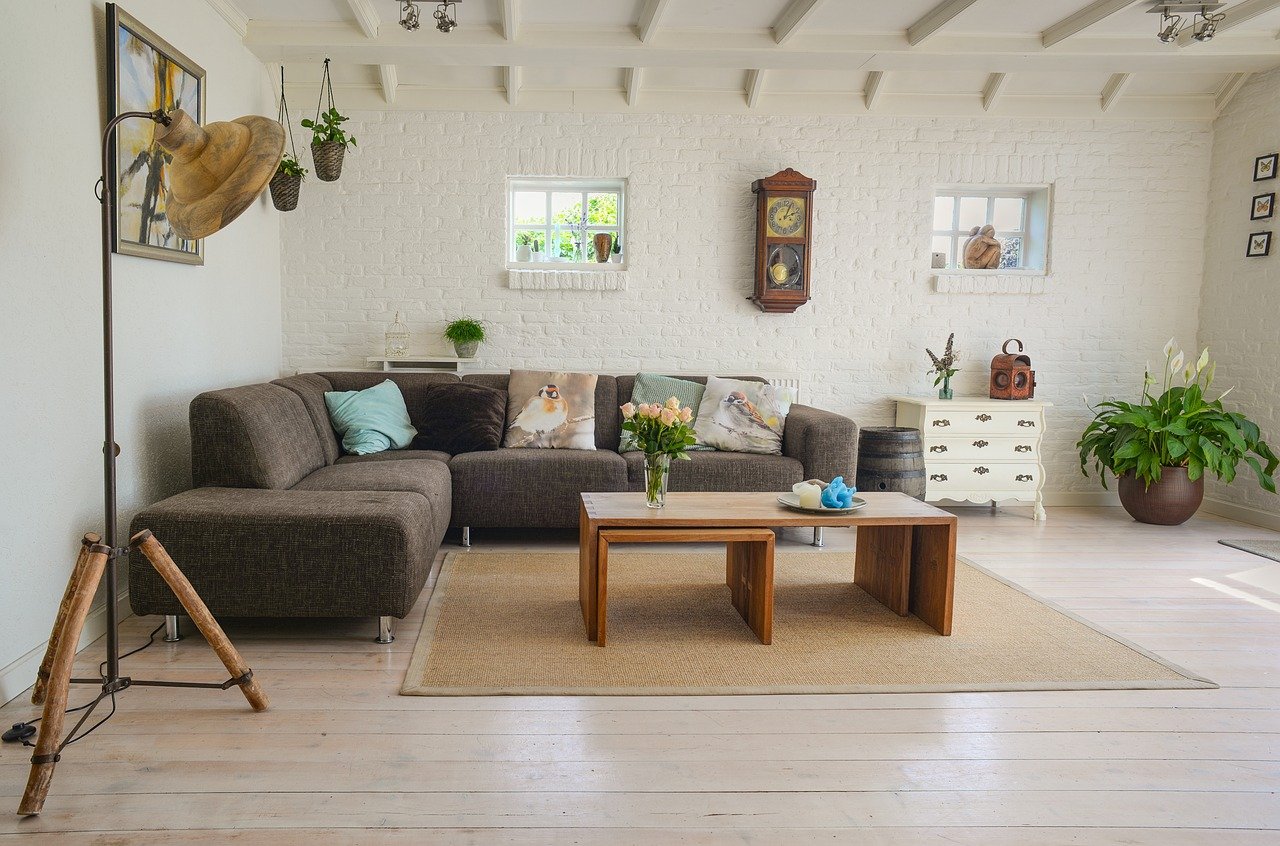
living room

Understanding The Furniture Craze in SingaporeUnderstanding The Furniture Craze in Singapore

living room

Singaporeans are practical people. We like things that are both beautiful and functional. That’s why it’s no surprise that the furniture scene in Singapore is booming. Homeowners are looking for pieces that will spruce up their homes without breaking the bank. Let’s take a look at some of the most popular furniture trends in Singapore right now. We will also discuss why these trends are so popular and how you can incorporate them into your own home.

It’s Cultural
furnituresSingapore is a multi-cultural city. We have people from all over the world living here. As a result, our homes are a reflection of our diverse cultures. You will find furniture from all over the world in Singaporean homes. This is one of the things that makes our furniture scene so unique and interesting. One of the biggest populations in Singapore is those of Chinese ethnicity, and the Chinese love congregating due to the many holidays.

They will visit a relative’s home and eat, drink, catch up, talk business, and do karaoke nights. And what do you need for karaoke nights? That’s why most homeowners focus on getting the right furniture for the occasion. A good example would be a dining table set to accommodate a large number of dinner guests.

It’s Aesthetic

Singapore is a beautiful country with a model cityscape. We are constantly surrounded by towering buildings, green parks, and Marina Bay Sands. Homeowners want their homes to reflect the country’s beauty, and they achieve this by incorporating beautiful and stylish furniture into their homes. One of the most popular furniture trends in Singapore right now is Scandinavian-inspired furniture. This type of furniture is characterized by its simple and clean lines. It is perfect for tiny homes as it doesn’t take up too much space. Additionally, Scandinavian furniture’s light colors help create a sense of airiness and spaciousness in a home.

It’s Functional
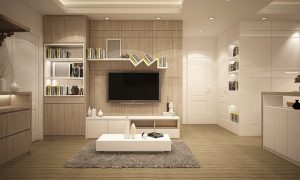
roomSingaporeans are practical people, and we like our homes to be functional as well as beautiful. Homeowners are always on the lookout for furniture that is both stylish and practical. One of the most popular trends in Singapore right now is modular furniture. Modular furniture is perfect for small homes as it is very versatile and can be used in many different ways.

For example, a modular sofa can be transformed into a bed, and a modular table can be used as a dining table or a study desk. This type of furniture is also effortless to move around, perfect for those who are always rearranging their homes. So, there you have it, three of the most popular furniture trends in Singapore right now. Whether you’re looking for something cultural, aesthetic, or functional, there is sure to be a trend that you will love. So, start incorporating these trends into your home and enjoy the furniture scene in Singapore.

Related Post

wall

Wall Paneling Hacks: Easy Ways to Add Depth and Texture to Any RoomWall Paneling Hacks: Easy Ways to Add Depth and Texture to Any Room

Wall paneling is making a comeback, and for good reason. It adds character and warmth to any space while creating visual interest. See, no matter where you live, a boring apartment, or even a modern house, wall paneling can turn your walls from boring to beautiful. You may think of traditional wood paneling, but there are many contemporary options available that can add depth and texture to any room.

The best part is that interior wall paneling is easy to install and remove if you change your mind. So, if you’re ready to give your walls a makeover, here are some easy wall paneling hacks to try. These ideas are guaranteed to add depth and texture to any room in your home.

Paint Before Installation

Before you even think about installing wall panels, consider painting them first. This super quick step can save time and effort later on. Choose a color that complements your space. Painting the panels before installation allows for better coverage, especially in those tricky corners and grooves. It also gives you the freedom to create custom designs or patterns if you’re feeling adventurous.

Using spray paint is an option, too; it provides an even finish without brush strokes. If you’re going for a more rustic look, try distressing techniques after painting to add character. Don’t forget to allow adequate drying time before mounting the panels. This ensures they adhere properly while keeping your walls clean from accidental smudges or drips during installation.

Create a Faux Wainscoting Effect

paint

But what if you want something that can instantly elevate the look of your space? Well, you can try creating a faux wainscoting effect. You don’t need to commit to major renovations or hefty budgets. You just need to start by picking up a wall color that complements your existing decor. A classic white or soft pastel works beautifully for this effect. Next, use painter’s tape to outline where you want the panels to sit on the wall. It’s a must for achieving clean lines and an organized appearance. After taping, apply a contrasting color below the tape line. This creates depth without heavy construction work.

For added texture, consider adding trim pieces along the edges once everything dries. These small details mimic traditional wainscoting and bring sophistication into any room. The result? An inviting aesthetic that captures attention while being easy on your wallet!

Combine Wood, Metal, or Fabric Panels

If you’ve got a bigger budget, why don’t you mix the materials? In fact, mixing materials can elevate your space dramatically. Wood, metal, and fabric panels each offer unique textures and visual appeal. By combining them, you create a dynamic look that’s both cozy and modern. Wood, for instance, can bring warmth. It brings an organic feel to any room. Pair it with sleek metal accents for a touch of sophistication. Metal panels work great if you want something that can reflect light beautifully, enhancing the overall ambiance. Adding fabric introduces softness into the mix. The key? Just don’t forget to play with colors; bold contrasts or subtle tones can shift the entire vibe of the room effortlessly.

wood

Choose Peel-and-Stick Panels If You’re a Renter

Okay, you may also be worried about whether your landlord will charge you more for the wall paneling you’ve done to your room. Don’t worry. Peel-and-stick panels are a game changer for renters. These stylish options allow you to transform your space without damaging walls or losing your deposit. Installation is quick and hassle-free. You can achieve a stunning accent wall in no time at all. The variety of designs available means there’s something for every aesthetic. From rustic wood finishes to sleek modern patterns, these panels can elevate any room’s look. When it’s time to move out, simply remove the panels without leaving behind sticky residues or holes.

So, what do you think? Wall paneling is a quick and versatile way to enhance the aesthetic of any room. Incorporating wall paneling into your home decor opens up a world of possibilities for expression and style refinement. With these tips at hand, you’re well-equipped to tackle any project.

cleaning

How to Maintain a Clean and Organized Home When You’re Always on the GoHow to Maintain a Clean and Organized Home When You’re Always on the Go

Are you constantly on the move, juggling work, family, and a million other things? We get it – life can be hectic. But here’s the thing: maintaining a clean and organized home doesn’t have to be yet another item on your never-ending to-do list.

In fact, with just a few smart strategies and some handy tips we’re about to share with you, you’ll discover how easy it is to keep your living space tidy even when you’re always on the go. So buckle up and get ready for some game-changing advice that will revolutionize the way you think about cleaning and organization.

Delegate and Share Responsibilities

Clean

If you live with family members or roommates, don’t shoulder the cleaning responsibilities alone. Distribute the workload and assign tasks to others. Create a shared chore chart or schedule so that everyone contributes to maintaining a clean and tidy home. This not only lightens your workload but also fosters a sense of responsibility among all household members. Hiring a cleaning service or making a pact to take turns cleaning communal spaces can also help divide the work. For example, services offering carpet cleaning in sittingbourne can take care of the deep cleaning tasks while each household member can still be responsible for their own personal space.

Develop a Cleaning Schedule

One of the most effective ways to ensure your house stays clean is to create a cleaning schedule. Start by identifying daily, weekly, and monthly tasks. Daily tasks include making the bed, doing the dishes, and tidying up common areas. Weekly tasks involve vacuuming, mopping, and bathroom cleaning, while monthly tasks encompass deep cleaning and decluttering. By breaking down your cleaning chores into manageable chunks, you can allocate specific tasks to each day or weekend. Having a schedule not only helps you stay organized but also prevents chores from piling up, making it more feasible to manage your cleaning duties, even during hectic times.

Declutter and Organize Regularly

A clutter-free home is easier to clean and maintain. Take time to declutter and organize your living spaces regularly. Start by going through one room at a time and removing items that you no longer need or use. Donate, sell, or discard them as necessary. Once you’ve decluttered, find efficient storage solutions for the items you choose to keep. This will help maintain a neat and organized home, making cleaning a breeze.

Implement the “One-Touch” Rule

To prevent clutter from accumulating, adopt the “one-touch” rule. This rule entails handling items only once. For example, when you receive mail, deal with it immediately instead of allowing it to pile up on your countertops. After using dishes, wash or load them into the dishwasher instead of leaving them in the sink. By minimizing the number of times you touch items, you can reduce the overall mess in your home.

Invest in Time-Saving Tools and Products

vacuum

Modern technology has provided us with various tools and cleaning products designed to make our lives easier. Invest in time-saving cleaning tools such as a robotic vacuum cleaner, a cordless stick vacuum, or a pressure washer for outdoor areas. These devices can help you clean more efficiently and save precious time. Additionally, choose cleaning products that are effective and quick to use, such as multi-surface cleaners or microfiber cloths that trap dust and dirt easily.

Multitask and Optimize Your Time

In a busy life, multitasking becomes a valuable skill. Maximize your time by combining cleaning tasks with other activities. For instance, you can wipe down the kitchen counters while waiting for your coffee to brew or fold laundry while catching up on your favorite TV show. By integrating cleaning into your daily routine, you can ensure your home remains clean without sacrificing your other responsibilities.

Maintaining a clean home while leading a busy life is indeed a challenge, but it’s not impossible. By following these six expert tips, you can create a well-organized cleaning routine that suits your schedule and helps you keep your home in pristine condition. A clean and tidy home not only enhances your overall well-being but also provides a welcoming environment for you and your loved ones.

airy living room

Why Room Orientation Affects Everyday Living ComfortWhy Room Orientation Affects Everyday Living Comfort

A comfortable home depends on more than attractive furniture and quality building materials. The way rooms are positioned within a house also has a lasting effect on daily living. Room orientation refers to how different areas of a home face the sun, surrounding landscape, and prevailing winds. This design choice influences natural lighting, indoor temperature, ventilation, and even how people use each space throughout the day. While it may not receive as much attention as floor plans or interior finishes, room orientation plays an important role in creating a pleasant living environment. Understanding why room orientation affects everyday living comfort helps homeowners appreciate how thoughtful design supports a better lifestyle year-round.

Maximizing Natural Lighting

Natural light is one of the most noticeable benefits of proper room orientation. Sunlight brightens interior spaces, reduces dependence on artificial lighting, and creates a more inviting atmosphere. Rooms that receive balanced daylight often feel more open and comfortable during daytime hours. Living rooms, kitchens, and home offices typically benefit from generous natural light because they are frequently occupied throughout the day. On the other hand, bedrooms may require softer morning or evening light depending on personal preferences. Proper orientation allows each room to receive lighting that matches its primary purpose, making daily activities more comfortable without excessive glare or darkness.

Managing Indoor Temperatures

Sunlight directly influences indoor temperatures. Rooms exposed to strong afternoon sun may become noticeably warmer, while spaces with limited direct sunlight often remain cooler. Thoughtful room orientation helps create a more balanced indoor environment by considering how the sun moves throughout the day. Areas used during warmer afternoon hours can be positioned to reduce excessive heat exposure, while rooms that benefit from additional warmth may take advantage of favorable sunlight. Better temperature management reduces discomfort while supporting more efficient heating and cooling throughout the home. Even small improvements in solar exposure can contribute to a more pleasant indoor climate.

Encouraging Natural Ventilation

Fresh air circulation improves comfort inside any home. Proper airflow removes stale air, reduces indoor humidity, and creates a healthier living environment. Room orientation plays an important role in capturing natural breezes. Windows positioned to take advantage of prevailing winds encourage cross-ventilation, allowing fresh air to move through the house more effectively. This natural airflow helps cool interior spaces during mild weather while reducing the need for mechanical ventilation. Comfortable airflow also improves the overall feeling of freshness inside the home, making living spaces more enjoyable throughout the year.

Supporting Daily Activities

Different rooms serve different purposes, and their orientation can improve how comfortably those activities take place. A well-positioned kitchen may receive pleasant morning light during breakfast preparation, while a family room may benefit from comfortable afternoon brightness during shared activities. Home offices often perform better when natural light reduces eye strain without creating distracting screen reflections. Bedrooms positioned away from intense afternoon sunlight may remain cooler during evening rest. By aligning room orientation with daily routines, homeowners experience greater comfort while making better use of every space within the home. Functional design supports both convenience and long-term satisfaction.

Improving Energy Efficiency

Energy efficiency is influenced by many design choices, and room orientation is one of the most important. Homes that make better use of natural sunlight and ventilation often require less artificial lighting and mechanical climate control. Reducing unnecessary heat gain during warmer months lowers cooling demands, while taking advantage of seasonal sunlight may reduce heating needs during cooler periods. Natural lighting also decreases electricity use during daytime hours. These combined benefits contribute to lower operating costs while improving overall comfort. Energy-conscious design begins long before construction is complete, making room orientation a valuable consideration during the planning stage.

Increasing Long-Term Living Satisfaction

Comfort is experienced every day, making room orientation an investment that continues providing value long after a home is completed. Unlike decorative features that may change over time, room positioning remains part of the home’s permanent design. Well-oriented homes often feel brighter, more comfortable, and easier to enjoy throughout changing seasons. Occupants benefit from improved lighting, better airflow, balanced temperatures, and spaces that function naturally within daily routines. These qualities support long-term satisfaction because they improve everyday living without requiring ongoing adjustments. Careful planning during the design stage continues rewarding homeowners for many years after they move in.

Room orientation affects everyday living comfort by maximizing natural lighting, managing indoor temperatures, encouraging natural ventilation, supporting daily activities, improving energy efficiency, and increasing long-term living satisfaction. While it may seem like a simple architectural decision, the placement of each room influences how comfortably people experience their homes every day. Understanding why room orientation affects everyday living comfort demonstrates that successful home design extends beyond appearance alone. Homes planned with careful attention to sunlight, airflow, and daily living patterns create healthier, more efficient, and more enjoyable spaces. As homeowners continue prioritizing comfort and sustainability, room orientation will remain one of the most valuable design considerations in residential construction.