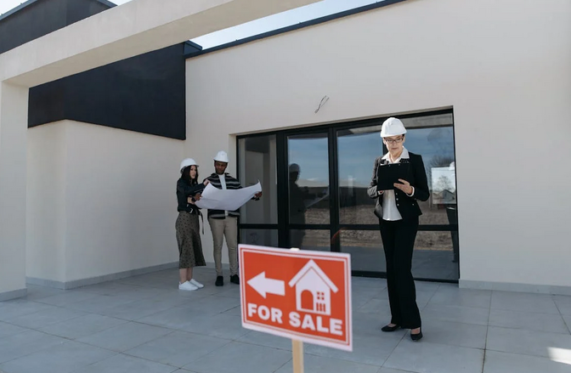
sale

Investing in Costa Rica Properties: Why It’s a Smart Move for ForeignersInvesting in Costa Rica Properties: Why It’s a Smart Move for Foreigners

sale

Costa Rica’s vibe, culture, and natural beauty have been attracting tourists and expats alike for decades. The country is known as a top destination for retirees, digital nomads, and investors looking to buy a vacation home or rental property. For good reasons, foreigners can own property in Costa Rica and make it the best investment ever.

No, we’re not just talking about beautiful lush rainforests, vibrant cities, and stunning beaches. Costa Rica’s real estate market has been on the rise for years, and there are plenty of reasons to call this country your investment home. Let’s take a closer look at why investing in Costa Rica properties is a smart move for foreigners.

Strong Tourism Industry

river

Costa Rica’s allure extends far beyond its stunning landscapes and pristine beaches. The country boasts a strong tourism industry that attracts millions of visitors every single year, creating a strong demand for rentals and vacation homes. From lush rainforests to vibrant cities, Costa Rica offers sexy attractions that cater to every traveler’s preferences.

The country’s eco-tourism initiatives have positioned it as a leader in sustainable travel, appealing to conscious investors aiming to align their values with their investment choices. With an array of outdoor activities such as surfing, zip-lining, and wildlife tours, Costa Rica has something for everyone seeking adventure or relaxation.

Stable Political Environment

Costa Rica boasts a stable political environment, which is crucial for anyone looking to invest in properties abroad. The country has a long-standing democratic tradition and a history of peaceful transitions of power. This stability provides foreign investors with confidence that their investments will be safeguarded by strong institutions and the rule of law.

The government in Costa Rica is known for its commitment to upholding property rights and creating a welcoming environment for international investors. Additionally, the country has a reputation for being transparent and business-friendly, making it easier for foreigners to navigate the real estate market. With stable governance in place, investors can rest assured that their assets are protected from sudden policy changes or political turmoil. This predictability allows individuals to plan their investments with more certainty and peace of mind.

Growing Real Estate Market

market

Investing in Costa Rica’s real estate market is a lucrative opportunity for foreigners looking to diversify their portfolio. Whether you’re interested in buying a vacation home, rental property, or land for development, Costa Rica offers diverse opportunities to suit your investment goals. From beachfront condos to mountain villas and urban commercial spaces, there is something for every type of investor in this dynamic market.

Investing in Costa Rica’s growing real estate market can provide long-term financial benefits while allowing you to enjoy all that this beautiful country has to offer. Whether you’re seeking a profitable investment or simply looking for your piece of paradise, now is a great time to consider Costa Rica as your next property investment destination!

Affordable Property Prices

Costa Rica offers a fantastic opportunity for foreigners looking to invest in real estate with its affordable property prices. Whether you are considering a vacation home, rental property, or retirement destination, Costa Rica has options to suit various budgets and preferences. From beachfront condos to mountain villas and lush jungle retreats, there is something for everyone at reasonable prices. The cost of living in Costa Rica is also relatively low compared to many other countries, making it an attractive choice for those looking to stretch their investment dollars further. With the right research and guidance from local experts, finding an affordable property that meets your needs is within reach.

When considering investing in Costa Rica properties as a foreigner, the bottom line is clear: it’s a smart move. So, are you ready to take advantage of these favorable conditions and work with reputable local partners? If so, you’re up for lots of long-term benefits and rental income potential.


Related Post

Why You Should Consider a Tub-to-Shower Conversion: The Top 4 AdvantagesWhy You Should Consider a Tub-to-Shower Conversion: The Top 4 Advantages

Are you tired of your old bathtub taking up space and becoming a hassle? If so, consider a tub-to-shower conversion. This practical home renovation trend is gaining popularity for good reason. Not only does it transform the look and feel of your bathroom, but it also brings many benefits that can genuinely enhance your daily routine. Whether you’re looking for improved accessibility or a more modern vibe, switching from tub to shower during your bathroom remodel could be the perfect solution. Let’s explore the top advantages that make this upgrade worth considering!

Increased Accessibility and Safety

One of the most significant advantages of converting your tub to a shower is the increased accessibility it offers. Traditional tubs can be challenging for people with mobility issues, making daily routines cumbersome and risky. Showers often come with low or no thresholds, allowing for easy entry and exit. This design minimizes the chances of slips or falls—common concerns in wet environments. Additionally, many modern showers feature grab bars and built-in seating options, providing extra support during use. These elements not only enhance safety but also promote independence for those who may need assistance.

More Space and Functionality

Transforming a tub into a shower can dramatically enhance your bathroom space. Traditional bathtubs often consume more room than necessary, making the area feel cramped. A shower takes up less floor space while providing ample room to move around. This newfound openness allows for better flow in the bathroom—a crucial aspect when multiple people are getting ready in the morning. Additionally, modern showers can be customized with features like built-in shelves or benches, adding even more functionality. You’ll have convenient storage for toiletries and extra seating if needed.

Modern and Stylish Design

A tub-to-shower conversion can transform the look of your bathroom. The shift from a bulky tub to a sleek, modern shower instantly updates the aesthetic. With options for glass doors, elegant tiles, and contemporary fixtures, you can create a space that reflects your style. This design flexibility allows you to incorporate trends that resonate with today’s homeowners. Moreover, minimalist designs often make smaller bathrooms feel more extensive and more inviting. A well-designed shower area not only looks good but also enhances functionality.

Potential Increase in Home Value

A tub-to-shower conversion can significantly boost your home’s appeal. Many buyers prioritize modern amenities today, and a sleek shower fits the bill better than a bulky bathtub. This transformation enhances aesthetics and aligns with current lifestyle trends. More people are opting for quick, efficient showers over lengthy baths. Potential buyers may find this upgrade particularly enticing, especially in smaller houses where space is at a premium. A well-designed shower can create the illusion of more room, adding to that coveted open-space feel. Additionally, energy-efficient fixtures can be integrated into the new design. This helps reduce water usage and signals cost savings to prospective homeowners.

Conclusion

Renovating your bathtub into a shower can be a game-changer to many homeowners. The benefits stretch beyond mere aesthetics. With improved accessibility and safety, you create a space that’s easier to navigate, especially for those with mobility issues.

wiring

The Different Causes of Electrical Fires in HomesThe Different Causes of Electrical Fires in Homes

As a homeowner, electrical fires are one of the risks you want to be aware of. While relatively rare, electrical fires can quickly become serious hazards that cause devastating damage and even fatalities. But with some simple preventive measures and by understanding what causes electric fires in the first place, you can help keep your family safe and protect your home from potential threats or harm. Here, we’ll discuss the different causes of electrical fires in homes, covering why they occur as well as how you can prevent them from happening in the future.

Faulty Wiring

One common cause of electrical fires is faulty wiring. This can happen if a wire has too much current running through it, or if the insulation around the wire has worn away, leaving the bare wires exposed to other flammable materials within your walls. Faulty wiring can also be caused by improper installation of new wiring, such as using undersized wires for an outlet or circuit. To prevent this from happening, it’s essential to have a professional electrician inspect your home periodically and ensure that all wiring is up to code. You can contact a local electrician to schedule an inspection. This will give you some peace of mind.

Overloaded Outlets

outletsAnother common cause of electrical fires is overloaded outlets. This can occur when too many devices are plugged into an outlet, causing the breaker to be overloaded and trip. If this happens repeatedly or if the breakers aren’t functioning properly, it can lead to overheating and ultimately start a fire. To prevent this, ensure you’re not plugging too many devices into a single outlet and that your outlets are not overloaded. Additionally, if you notice any sparks or burning smells coming from an outlet, turn off the power to it immediately and contact an electrician for help. If you are short on outlets, getting a professional to install additional outlets in your home is best.

Defective Appliances

Finally, defective appliances can be another cause of electrical fires. This can happen if an appliance has a faulty power cord or wiring or if the internal components are damaged and not working correctly. To prevent this, check all your appliances regularly for signs of wear and tear, such as frayed cords or exposed wires. It’s also important to ensure that you’re using the right type of outlet for the appliance and to avoid using extension cords as permanent solutions. If you discover any faulty wiring or damage on an appliance, replace it immediately. Many people are unaware that low-cost electrical equipment can also potentially be dangerous.

appliance

Electrical fires can be devastating and cause massive property damage, serious injury, and even death. That’s why it’s important to be wise about the use of electricity in your home or business. For instance, be sure you are never overloading circuits beyond their capacity; always inspect electrical cords for wear or any issues that could indicate danger; pay attention to warning signs like frequently tripped circuit breakers; never plug in too many items into a single outlet; and replace damaged outlets immediately rather than waiting for them to go bad. We hope that you have found this blog post helpful.

Proven Tips to Make Your HVAC System Last LongerProven Tips to Make Your HVAC System Last Longer

Your heating, ventilation, and air-conditioning (HVAC) system is one of the most important investments in your home. It keeps you comfortable year-round and directly impacts energy efficiency. While these systems are built for durability, their performance and longevity largely depend on proper care. By focusing on maintenance and being proactive, homeowners can save money on replacements and repairs while enjoying consistent comfort. This guide explores proven tips to make your HVAC system last longer, highlighting steps that require little effort but deliver significant results over time. These practical suggestions are simple yet highly effective for homeowners who want to protect their investment.

Replace Air Filters Regularly

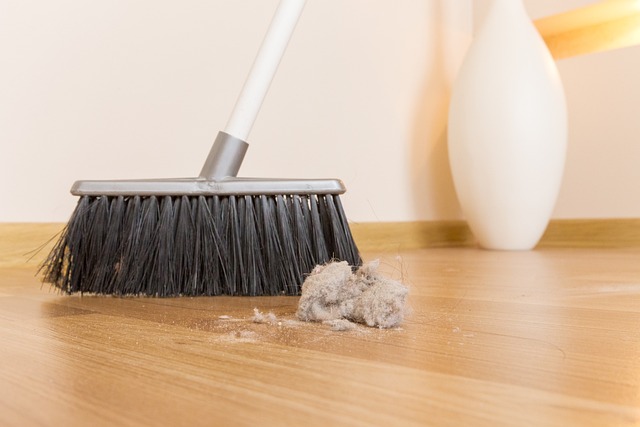
One of the simplest yet most impactful actions you can take is replacing your air filters routinely. Filters accumulate dust, dirt, and pet dander, restricting airflow and forcing this system to work harder than necessary. A clogged filter reduces efficiency, raises utility bills, and places unnecessary strain on the system. Experts recommend checking filters monthly and replacing them every one to three months, depending on usage and indoor conditions. Fresh filters improve air quality and allow your HVAC to operate at peak capacity.

Schedule Professional Maintenance

maintenance

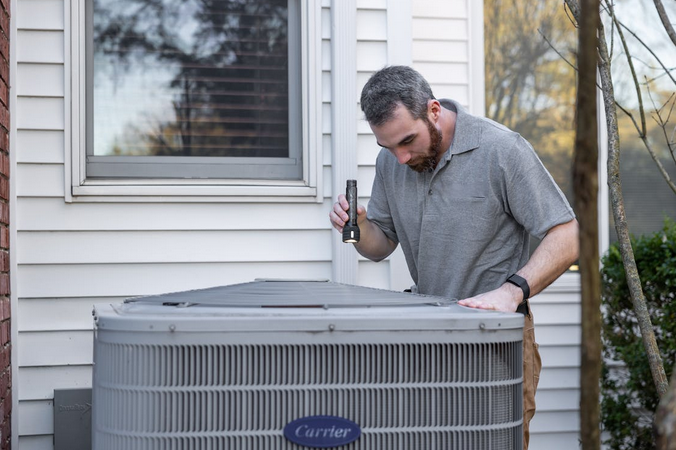
Just like a vehicle benefits from routine servicing, HVAC systems require regular inspections by a professional. Having a technician examine your system twice a year—typically once before summer and once before winter—can identify minor mechanical issues before they become costly repairs. During a maintenance visit, a specialist cleans components, checks refrigerant levels, lubricates moving parts, and confirms that the thermostat is functioning correctly. This professional attention significantly extends the unit’s lifespan while maintaining consistent performance.

Keep Outdoor Units Clean and Clear

Outdoor units are often overlooked, yet their condition is major in HVAC longevity. Over time, leaves, dirt, grass clippings, and other debris obstruct airflow around the condenser. This forces the system to exert extra energy, shortening its life expectancy. Homeowners should regularly clear a two-foot space around the unit and gently clean the exterior fins with a garden hose. Avoid placing heavier objects on or near the system. A clean outdoor unit means the system runs more efficiently and experiences less wear.

Manage Thermostat Usage Wisely

thermostat

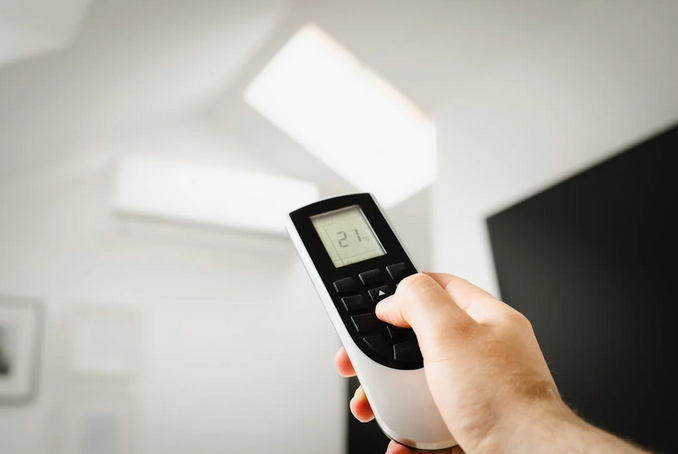
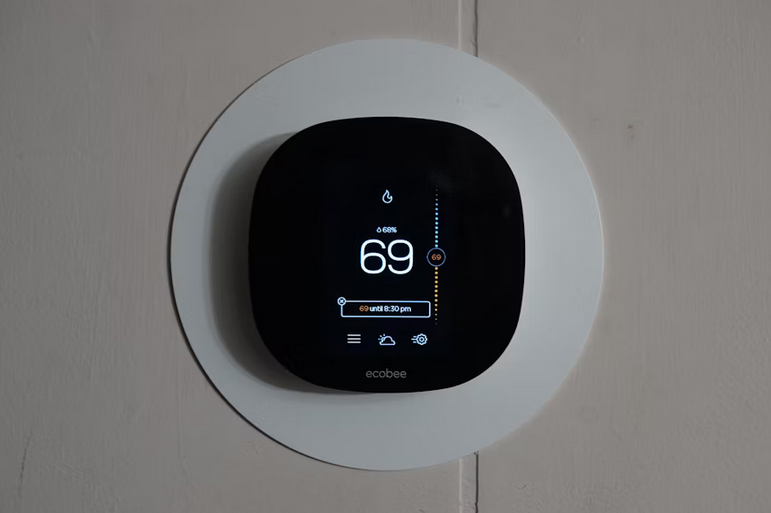
How you use your thermostat directly impacts your HVAC system’s durability. Constantly adjusting the temperature or setting it to extreme highs or lows forces the system to cycle more frequently, wearing it out prematurely. A smart thermostat or programmable model allows you to set schedules that balance comfort and efficiency. For example, raising the temperature slightly when no one is home in summer or lowering it in winter prevents unnecessary strain. Proper thermostat habits can reduce overall system workload, leading to fewer breakdowns and longer service life.

Improve Home Insulation and Ventilation

Your HVAC doesn’t work alone—it is part of your home’s overall environment. Poor insulation and leaky ducts force the system to compensate for lost air, increasing its workload. Similarly, blocked vents or closed registers create pressure imbalances that hinder performance. To prevent this, check that ducts are correctly sealed and vents remain unobstructed. Additionally, improving insulation in attics, walls, and basements reduces energy loss. These adjustments ease the strain on your HVAC system, allowing it to function smoothly for many years.

Making your HVAC system last longer doesn’t require complicated steps—it comes down to consistent and thoughtful maintenance. The top five practices every homeowner should focus on include replacing air filters regularly, scheduling professional maintenance, keeping outdoor units clean, managing thermostat usage wisely, and improving insulation and ventilation. By integrating these habits into your routine, you extend the lifespan of your system, cut down on costly repairs, and maintain a comfortable living environment. A little proactive effort now helps you enjoy reliable performance from your HVAC system well into the future.