

wiring

The Different Causes of Electrical Fires in HomesThe Different Causes of Electrical Fires in Homes

wiring

As a homeowner, electrical fires are one of the risks you want to be aware of. While relatively rare, electrical fires can quickly become serious hazards that cause devastating damage and even fatalities. But with some simple preventive measures and by understanding what causes electric fires in the first place, you can help keep your family safe and protect your home from potential threats or harm. Here, we’ll discuss the different causes of electrical fires in homes, covering why they occur as well as how you can prevent them from happening in the future.

Faulty Wiring

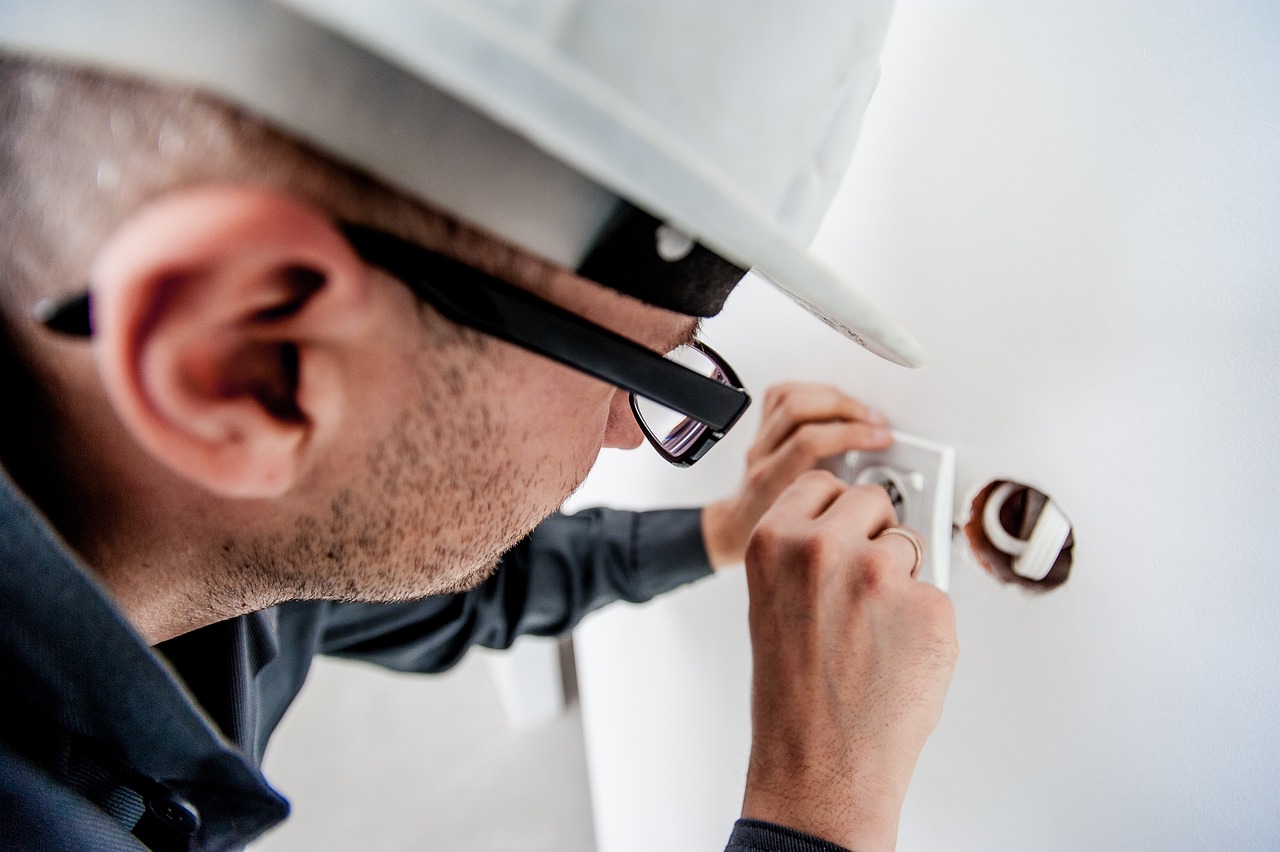
One common cause of electrical fires is faulty wiring. This can happen if a wire has too much current running through it, or if the insulation around the wire has worn away, leaving the bare wires exposed to other flammable materials within your walls. Faulty wiring can also be caused by improper installation of new wiring, such as using undersized wires for an outlet or circuit. To prevent this from happening, it’s essential to have a professional electrician inspect your home periodically and ensure that all wiring is up to code. You can contact a local electrician to schedule an inspection. This will give you some peace of mind.

Overloaded Outlets
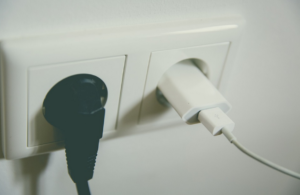
outletsAnother common cause of electrical fires is overloaded outlets. This can occur when too many devices are plugged into an outlet, causing the breaker to be overloaded and trip. If this happens repeatedly or if the breakers aren’t functioning properly, it can lead to overheating and ultimately start a fire. To prevent this, ensure you’re not plugging too many devices into a single outlet and that your outlets are not overloaded. Additionally, if you notice any sparks or burning smells coming from an outlet, turn off the power to it immediately and contact an electrician for help. If you are short on outlets, getting a professional to install additional outlets in your home is best.

Defective Appliances

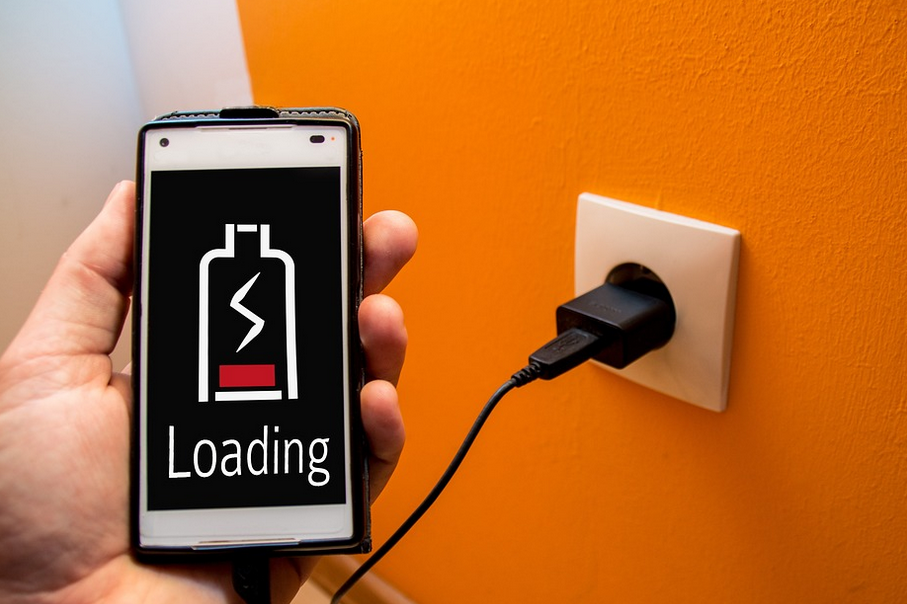
Finally, defective appliances can be another cause of electrical fires. This can happen if an appliance has a faulty power cord or wiring or if the internal components are damaged and not working correctly. To prevent this, check all your appliances regularly for signs of wear and tear, such as frayed cords or exposed wires. It’s also important to ensure that you’re using the right type of outlet for the appliance and to avoid using extension cords as permanent solutions. If you discover any faulty wiring or damage on an appliance, replace it immediately. Many people are unaware that low-cost electrical equipment can also potentially be dangerous.
appliance

Electrical fires can be devastating and cause massive property damage, serious injury, and even death. That’s why it’s important to be wise about the use of electricity in your home or business. For instance, be sure you are never overloading circuits beyond their capacity; always inspect electrical cords for wear or any issues that could indicate danger; pay attention to warning signs like frequently tripped circuit breakers; never plug in too many items into a single outlet; and replace damaged outlets immediately rather than waiting for them to go bad. We hope that you have found this blog post helpful.
Related Post

airy living room

Why Room Orientation Affects Everyday Living ComfortWhy Room Orientation Affects Everyday Living Comfort

A comfortable home depends on more than attractive furniture and quality building materials. The way rooms are positioned within a house also has a lasting effect on daily living. Room orientation refers to how different areas of a home face the sun, surrounding landscape, and prevailing winds. This design choice influences natural lighting, indoor temperature, ventilation, and even how people use each space throughout the day. While it may not receive as much attention as floor plans or interior finishes, room orientation plays an important role in creating a pleasant living environment. Understanding why room orientation affects everyday living comfort helps homeowners appreciate how thoughtful design supports a better lifestyle year-round.

Maximizing Natural Lighting

Natural light is one of the most noticeable benefits of proper room orientation. Sunlight brightens interior spaces, reduces dependence on artificial lighting, and creates a more inviting atmosphere. Rooms that receive balanced daylight often feel more open and comfortable during daytime hours. Living rooms, kitchens, and home offices typically benefit from generous natural light because they are frequently occupied throughout the day. On the other hand, bedrooms may require softer morning or evening light depending on personal preferences. Proper orientation allows each room to receive lighting that matches its primary purpose, making daily activities more comfortable without excessive glare or darkness.

Managing Indoor Temperatures

Sunlight directly influences indoor temperatures. Rooms exposed to strong afternoon sun may become noticeably warmer, while spaces with limited direct sunlight often remain cooler. Thoughtful room orientation helps create a more balanced indoor environment by considering how the sun moves throughout the day. Areas used during warmer afternoon hours can be positioned to reduce excessive heat exposure, while rooms that benefit from additional warmth may take advantage of favorable sunlight. Better temperature management reduces discomfort while supporting more efficient heating and cooling throughout the home. Even small improvements in solar exposure can contribute to a more pleasant indoor climate.

Encouraging Natural Ventilation

Fresh air circulation improves comfort inside any home. Proper airflow removes stale air, reduces indoor humidity, and creates a healthier living environment. Room orientation plays an important role in capturing natural breezes. Windows positioned to take advantage of prevailing winds encourage cross-ventilation, allowing fresh air to move through the house more effectively. This natural airflow helps cool interior spaces during mild weather while reducing the need for mechanical ventilation. Comfortable airflow also improves the overall feeling of freshness inside the home, making living spaces more enjoyable throughout the year.

Supporting Daily Activities

Different rooms serve different purposes, and their orientation can improve how comfortably those activities take place. A well-positioned kitchen may receive pleasant morning light during breakfast preparation, while a family room may benefit from comfortable afternoon brightness during shared activities. Home offices often perform better when natural light reduces eye strain without creating distracting screen reflections. Bedrooms positioned away from intense afternoon sunlight may remain cooler during evening rest. By aligning room orientation with daily routines, homeowners experience greater comfort while making better use of every space within the home. Functional design supports both convenience and long-term satisfaction.

Improving Energy Efficiency

Energy efficiency is influenced by many design choices, and room orientation is one of the most important. Homes that make better use of natural sunlight and ventilation often require less artificial lighting and mechanical climate control. Reducing unnecessary heat gain during warmer months lowers cooling demands, while taking advantage of seasonal sunlight may reduce heating needs during cooler periods. Natural lighting also decreases electricity use during daytime hours. These combined benefits contribute to lower operating costs while improving overall comfort. Energy-conscious design begins long before construction is complete, making room orientation a valuable consideration during the planning stage.

Increasing Long-Term Living Satisfaction

Comfort is experienced every day, making room orientation an investment that continues providing value long after a home is completed. Unlike decorative features that may change over time, room positioning remains part of the home’s permanent design. Well-oriented homes often feel brighter, more comfortable, and easier to enjoy throughout changing seasons. Occupants benefit from improved lighting, better airflow, balanced temperatures, and spaces that function naturally within daily routines. These qualities support long-term satisfaction because they improve everyday living without requiring ongoing adjustments. Careful planning during the design stage continues rewarding homeowners for many years after they move in.

Room orientation affects everyday living comfort by maximizing natural lighting, managing indoor temperatures, encouraging natural ventilation, supporting daily activities, improving energy efficiency, and increasing long-term living satisfaction. While it may seem like a simple architectural decision, the placement of each room influences how comfortably people experience their homes every day. Understanding why room orientation affects everyday living comfort demonstrates that successful home design extends beyond appearance alone. Homes planned with careful attention to sunlight, airflow, and daily living patterns create healthier, more efficient, and more enjoyable spaces. As homeowners continue prioritizing comfort and sustainability, room orientation will remain one of the most valuable design considerations in residential construction.

wall

Wall Paneling Hacks: Easy Ways to Add Depth and Texture to Any RoomWall Paneling Hacks: Easy Ways to Add Depth and Texture to Any Room

Wall paneling is making a comeback, and for good reason. It adds character and warmth to any space while creating visual interest. See, no matter where you live, a boring apartment, or even a modern house, wall paneling can turn your walls from boring to beautiful. You may think of traditional wood paneling, but there are many contemporary options available that can add depth and texture to any room.

The best part is that interior wall paneling is easy to install and remove if you change your mind. So, if you’re ready to give your walls a makeover, here are some easy wall paneling hacks to try. These ideas are guaranteed to add depth and texture to any room in your home.

Paint Before Installation

Before you even think about installing wall panels, consider painting them first. This super quick step can save time and effort later on. Choose a color that complements your space. Painting the panels before installation allows for better coverage, especially in those tricky corners and grooves. It also gives you the freedom to create custom designs or patterns if you’re feeling adventurous.

Using spray paint is an option, too; it provides an even finish without brush strokes. If you’re going for a more rustic look, try distressing techniques after painting to add character. Don’t forget to allow adequate drying time before mounting the panels. This ensures they adhere properly while keeping your walls clean from accidental smudges or drips during installation.

Create a Faux Wainscoting Effect

paint

But what if you want something that can instantly elevate the look of your space? Well, you can try creating a faux wainscoting effect. You don’t need to commit to major renovations or hefty budgets. You just need to start by picking up a wall color that complements your existing decor. A classic white or soft pastel works beautifully for this effect. Next, use painter’s tape to outline where you want the panels to sit on the wall. It’s a must for achieving clean lines and an organized appearance. After taping, apply a contrasting color below the tape line. This creates depth without heavy construction work.

For added texture, consider adding trim pieces along the edges once everything dries. These small details mimic traditional wainscoting and bring sophistication into any room. The result? An inviting aesthetic that captures attention while being easy on your wallet!

Combine Wood, Metal, or Fabric Panels

If you’ve got a bigger budget, why don’t you mix the materials? In fact, mixing materials can elevate your space dramatically. Wood, metal, and fabric panels each offer unique textures and visual appeal. By combining them, you create a dynamic look that’s both cozy and modern. Wood, for instance, can bring warmth. It brings an organic feel to any room. Pair it with sleek metal accents for a touch of sophistication. Metal panels work great if you want something that can reflect light beautifully, enhancing the overall ambiance. Adding fabric introduces softness into the mix. The key? Just don’t forget to play with colors; bold contrasts or subtle tones can shift the entire vibe of the room effortlessly.

wood

Choose Peel-and-Stick Panels If You’re a Renter

Okay, you may also be worried about whether your landlord will charge you more for the wall paneling you’ve done to your room. Don’t worry. Peel-and-stick panels are a game changer for renters. These stylish options allow you to transform your space without damaging walls or losing your deposit. Installation is quick and hassle-free. You can achieve a stunning accent wall in no time at all. The variety of designs available means there’s something for every aesthetic. From rustic wood finishes to sleek modern patterns, these panels can elevate any room’s look. When it’s time to move out, simply remove the panels without leaving behind sticky residues or holes.

So, what do you think? Wall paneling is a quick and versatile way to enhance the aesthetic of any room. Incorporating wall paneling into your home decor opens up a world of possibilities for expression and style refinement. With these tips at hand, you’re well-equipped to tackle any project.

Top Reasons to Hire a Licensed Electrician for Your Next Home RenovationTop Reasons to Hire a Licensed Electrician for Your Next Home Renovation

Are you planning a home renovation that involves electrical work? Before you pick up that toolbox or call in your handy uncle, consider the game-changing benefits of hiring a licensed electrician. While DIY projects can be tempting and satisfying, cutting corners can lead to serious safety hazards and costly mistakes when it comes to electricity. In this blog post, we’ll explore the top reasons why enlisting the expertise of a licensed electrician is not just smart—it’s essential for ensuring your renovation goes off without a hitch.

Safety First: Protect Yourself and Your Home

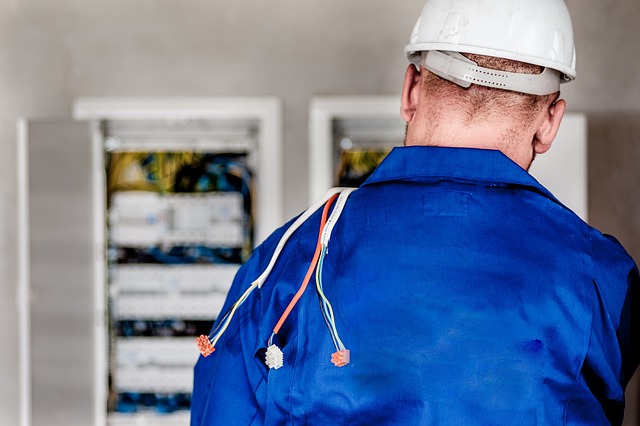
Safety is the most important reason to hire a licensed electrician. Electrical work involves dealing with potentially hazardous wires, circuits, and voltage, which can cause severe injury or even death if improperly handled. Even if you have a basic understanding of electrical systems, making mistakes can easily result in dangerous situations. A licensed electrician has undergone extensive training and education to understand electrical codes and safety protocols. They know how to work with electricity safely and wire systems properly and avoid hazards like electrical fires or shock.

Knowledge of Codes and Regulations

Electrical work isn’t just about connecting wires—it’s also about following strict codes and regulations. Every area has local building codes that dictate how electrical systems should be installed, repaired, or upgraded. These codes are in place to ensure that work is done to a high standard of safety and quality. Licensed electricians are familiar with these regulations and will ensure that any work done in your home complies with local codes. If you attempt the work yourself, you may unknowingly break these codes, leading to costly fines, delays, or even having to redo the entire job.

Expertise and Experience

A licensed electrician brings years of training and hands-on experience to the table. They’ve worked on various electrical systems and have likely dealt with issues that might be beyond the scope of a DIY project. Whether troubleshooting a faulty circuit, upgrading an electrical panel, or wiring a new appliance, a professional knows how to handle it easily. Plus, if something goes wrong, they have the expertise to fix it quickly and efficiently, saving you from the frustration of trial and error.

Time and Cost Savings

It’s easy to think that DIY electrical work will save you money, but more often than not, it costs you more in the long run. Without the right tools, knowledge, and experience, you might make costly mistakes that lead to more damage or require repairs down the line. Even if the project initially seems simple, electrical issues can be complex, and a wrong move can lead to bigger problems. Hiring a licensed electrician can actually save you time and money by getting the job done right the first time. They have the tools, expertise, and experience to work efficiently, which means less time spent on your project and fewer chances for mistakes.

Peace of Mind and Insurance Protection

When you hire a licensed electrician, you’re not just getting someone who’s skilled in electrical work—you’re also getting peace of mind. Most licensed electricians are insured, which means that if anything goes wrong during the job, you won’t be left holding the bill. Whether it’s damage to your home or an injury on the job, the electrician’s insurance will cover the costs, so you won’t have to worry about financial liability. In contrast, if you attempt electrical work yourself or hire an unlicensed contractor, you could be putting yourself at risk. Without insurance or proper licensing, you could end up paying for repairs, damage, or injuries that occur during the project.


Long-Term Value

Ultimately, hiring a licensed electrician ensures that your home’s electrical system is functional and built to last. With their expertise, you can rest assured that your electrical systems will be installed or repaired to a high standard. This is especially important if you’re planning any major upgrades to your home, such as adding new outlets, installing ceiling fans, or upgrading your electrical panel. When you hire a licensed electrician, you’re investing in your home’s long-term value and safety. It’s a decision that will pay off for years to come.

While taking on electrical work yourself might be tempting, hiring a licensed electrician is always the smarter choice. From ensuring safety and compliance with regulations to saving time and money, a licensed professional brings invaluable expertise to any home project. By investing in a licensed electrician, you’re protecting your home, your family, and your peace of mind.