
airy living room

Why Room Orientation Affects Everyday Living ComfortWhy Room Orientation Affects Everyday Living Comfort

airy living room

A comfortable home depends on more than attractive furniture and quality building materials. The way rooms are positioned within a house also has a lasting effect on daily living. Room orientation refers to how different areas of a home face the sun, surrounding landscape, and prevailing winds. This design choice influences natural lighting, indoor temperature, ventilation, and even how people use each space throughout the day. While it may not receive as much attention as floor plans or interior finishes, room orientation plays an important role in creating a pleasant living environment. Understanding why room orientation affects everyday living comfort helps homeowners appreciate how thoughtful design supports a better lifestyle year-round.

Maximizing Natural Lighting

Natural light is one of the most noticeable benefits of proper room orientation. Sunlight brightens interior spaces, reduces dependence on artificial lighting, and creates a more inviting atmosphere. Rooms that receive balanced daylight often feel more open and comfortable during daytime hours. Living rooms, kitchens, and home offices typically benefit from generous natural light because they are frequently occupied throughout the day. On the other hand, bedrooms may require softer morning or evening light depending on personal preferences. Proper orientation allows each room to receive lighting that matches its primary purpose, making daily activities more comfortable without excessive glare or darkness.

Managing Indoor Temperatures

Sunlight directly influences indoor temperatures. Rooms exposed to strong afternoon sun may become noticeably warmer, while spaces with limited direct sunlight often remain cooler. Thoughtful room orientation helps create a more balanced indoor environment by considering how the sun moves throughout the day. Areas used during warmer afternoon hours can be positioned to reduce excessive heat exposure, while rooms that benefit from additional warmth may take advantage of favorable sunlight. Better temperature management reduces discomfort while supporting more efficient heating and cooling throughout the home. Even small improvements in solar exposure can contribute to a more pleasant indoor climate.

Encouraging Natural Ventilation

Fresh air circulation improves comfort inside any home. Proper airflow removes stale air, reduces indoor humidity, and creates a healthier living environment. Room orientation plays an important role in capturing natural breezes. Windows positioned to take advantage of prevailing winds encourage cross-ventilation, allowing fresh air to move through the house more effectively. This natural airflow helps cool interior spaces during mild weather while reducing the need for mechanical ventilation. Comfortable airflow also improves the overall feeling of freshness inside the home, making living spaces more enjoyable throughout the year.

Supporting Daily Activities
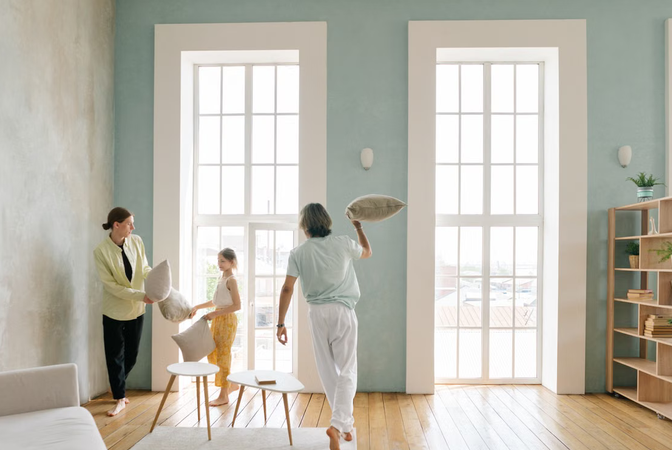
Different rooms serve different purposes, and their orientation can improve how comfortably those activities take place. A well-positioned kitchen may receive pleasant morning light during breakfast preparation, while a family room may benefit from comfortable afternoon brightness during shared activities. Home offices often perform better when natural light reduces eye strain without creating distracting screen reflections. Bedrooms positioned away from intense afternoon sunlight may remain cooler during evening rest. By aligning room orientation with daily routines, homeowners experience greater comfort while making better use of every space within the home. Functional design supports both convenience and long-term satisfaction.

Improving Energy Efficiency

Energy efficiency is influenced by many design choices, and room orientation is one of the most important. Homes that make better use of natural sunlight and ventilation often require less artificial lighting and mechanical climate control. Reducing unnecessary heat gain during warmer months lowers cooling demands, while taking advantage of seasonal sunlight may reduce heating needs during cooler periods. Natural lighting also decreases electricity use during daytime hours. These combined benefits contribute to lower operating costs while improving overall comfort. Energy-conscious design begins long before construction is complete, making room orientation a valuable consideration during the planning stage.

Increasing Long-Term Living Satisfaction

Comfort is experienced every day, making room orientation an investment that continues providing value long after a home is completed. Unlike decorative features that may change over time, room positioning remains part of the home’s permanent design. Well-oriented homes often feel brighter, more comfortable, and easier to enjoy throughout changing seasons. Occupants benefit from improved lighting, better airflow, balanced temperatures, and spaces that function naturally within daily routines. These qualities support long-term satisfaction because they improve everyday living without requiring ongoing adjustments. Careful planning during the design stage continues rewarding homeowners for many years after they move in.

Room orientation affects everyday living comfort by maximizing natural lighting, managing indoor temperatures, encouraging natural ventilation, supporting daily activities, improving energy efficiency, and increasing long-term living satisfaction. While it may seem like a simple architectural decision, the placement of each room influences how comfortably people experience their homes every day. Understanding why room orientation affects everyday living comfort demonstrates that successful home design extends beyond appearance alone. Homes planned with careful attention to sunlight, airflow, and daily living patterns create healthier, more efficient, and more enjoyable spaces. As homeowners continue prioritizing comfort and sustainability, room orientation will remain one of the most valuable design considerations in residential construction.

Related Post

tool

Home Cleaning Mistakes You Are MakingHome Cleaning Mistakes You Are Making

Let’s be honest, cleaning your home can be a daunting task. It’s a never-ending battle against the dirt and grime that constantly accumulates. But are you sure you’re doing it right? You may be making some common cleaning mistakes without even realizing it. Don’t worry; we’re here to help you avoid those pitfalls and make your cleaning routine a breeze. Let’s dive into some of the home cleaning mistakes you might be making.

Not Reading Labelslabel

We all have those cleaning products we swear by, but are you reading the labels? Make sure you’re using them correctly and safely. Some products require specific dilution ratios or can’t be used on certain surfaces. Save yourself some trouble, and take the time to read the labels before you start scrubbing.

Ignoring Ventilation

When cleaning, ventilation is often an afterthought, but it’s essential for your health and safety. Make sure you’re cleaning in a well-ventilated area, whether it’s opening a window or turning on a fan. Using strong chemicals without proper ventilation can be harmful to your lungs and skin.

dust

Forgetting to Dust Before Vacuuming

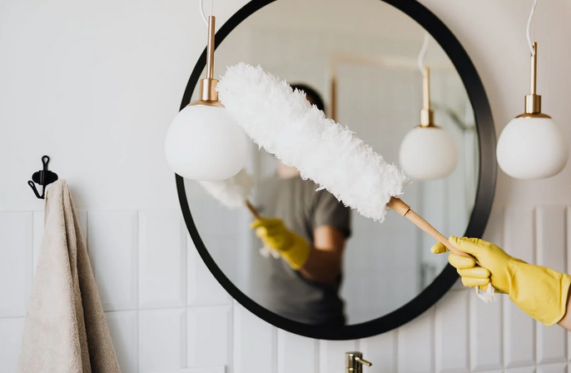
Dust is a common culprit for allergies and respiratory issues, so getting rid of it before it accumulates is essential. Make sure you’re dusting surfaces before you vacuum so you’re not just pushing them around. Remember to use a microfiber cloth or a dusting tool not to spread the dust even more.

Not Cleaning Your Cleaning Tools

Cleaning your home requires tools, but are you taking care of them properly? Make sure you’re regularly cleaning and sanitizing your cleaning tools. This includes things like sponges, clothes, and mops. You don’t want to spread bacteria and germs around your home while trying to clean it.

Using Too Much Water

mopWe get it, water is the solution to everything. But when it comes to cleaning, using too much water can actually cause more harm than good. Excess moisture can lead to mold and mildew growth, especially in areas like the bathroom or kitchen. So, make sure you’re not overdoing it with the H2O.

Using the Wrong Cleaning Method

Not all surfaces are created equal, and neither are the cleaning methods. Make sure you’re using the correct cleaning method for each surface you’re cleaning. For example, using a harsh abrasive on a delicate surface can cause scratches and damage. Similarly, using a gentle cleaner on a tough stain won’t do much to help.

Not Rinsing Thoroughly

When it comes to cleaning products, make sure you’re rinsing them off thoroughly. Leaving any residue behind can be harmful, especially when it comes to products that you use on surfaces you eat off of. Take the time to rinse everything off completely so you’re not putting yourself or your family at risk. Cleaning your home doesn’t have to be a hassle. You can avoid making common mistakes by reading labels, using the right cleaning method and tools, and rinsing thoroughly. Follow those simple tips, and you’ll have a spotless home in no time.

cleaning

How to Maintain a Clean and Organized Home When You’re Always on the GoHow to Maintain a Clean and Organized Home When You’re Always on the Go

Are you constantly on the move, juggling work, family, and a million other things? We get it – life can be hectic. But here’s the thing: maintaining a clean and organized home doesn’t have to be yet another item on your never-ending to-do list.

In fact, with just a few smart strategies and some handy tips we’re about to share with you, you’ll discover how easy it is to keep your living space tidy even when you’re always on the go. So buckle up and get ready for some game-changing advice that will revolutionize the way you think about cleaning and organization.

Delegate and Share Responsibilities

Clean

If you live with family members or roommates, don’t shoulder the cleaning responsibilities alone. Distribute the workload and assign tasks to others. Create a shared chore chart or schedule so that everyone contributes to maintaining a clean and tidy home. This not only lightens your workload but also fosters a sense of responsibility among all household members. Hiring a cleaning service or making a pact to take turns cleaning communal spaces can also help divide the work. For example, services offering carpet cleaning in sittingbourne can take care of the deep cleaning tasks while each household member can still be responsible for their own personal space.

Develop a Cleaning Schedule

One of the most effective ways to ensure your house stays clean is to create a cleaning schedule. Start by identifying daily, weekly, and monthly tasks. Daily tasks include making the bed, doing the dishes, and tidying up common areas. Weekly tasks involve vacuuming, mopping, and bathroom cleaning, while monthly tasks encompass deep cleaning and decluttering. By breaking down your cleaning chores into manageable chunks, you can allocate specific tasks to each day or weekend. Having a schedule not only helps you stay organized but also prevents chores from piling up, making it more feasible to manage your cleaning duties, even during hectic times.

Declutter and Organize Regularly

A clutter-free home is easier to clean and maintain. Take time to declutter and organize your living spaces regularly. Start by going through one room at a time and removing items that you no longer need or use. Donate, sell, or discard them as necessary. Once you’ve decluttered, find efficient storage solutions for the items you choose to keep. This will help maintain a neat and organized home, making cleaning a breeze.

Implement the “One-Touch” Rule

To prevent clutter from accumulating, adopt the “one-touch” rule. This rule entails handling items only once. For example, when you receive mail, deal with it immediately instead of allowing it to pile up on your countertops. After using dishes, wash or load them into the dishwasher instead of leaving them in the sink. By minimizing the number of times you touch items, you can reduce the overall mess in your home.

Invest in Time-Saving Tools and Products

vacuum

Modern technology has provided us with various tools and cleaning products designed to make our lives easier. Invest in time-saving cleaning tools such as a robotic vacuum cleaner, a cordless stick vacuum, or a pressure washer for outdoor areas. These devices can help you clean more efficiently and save precious time. Additionally, choose cleaning products that are effective and quick to use, such as multi-surface cleaners or microfiber cloths that trap dust and dirt easily.

Multitask and Optimize Your Time

In a busy life, multitasking becomes a valuable skill. Maximize your time by combining cleaning tasks with other activities. For instance, you can wipe down the kitchen counters while waiting for your coffee to brew or fold laundry while catching up on your favorite TV show. By integrating cleaning into your daily routine, you can ensure your home remains clean without sacrificing your other responsibilities.

Maintaining a clean home while leading a busy life is indeed a challenge, but it’s not impossible. By following these six expert tips, you can create a well-organized cleaning routine that suits your schedule and helps you keep your home in pristine condition. A clean and tidy home not only enhances your overall well-being but also provides a welcoming environment for you and your loved ones.

Proven Tips to Make Your HVAC System Last LongerProven Tips to Make Your HVAC System Last Longer

Your heating, ventilation, and air-conditioning (HVAC) system is one of the most important investments in your home. It keeps you comfortable year-round and directly impacts energy efficiency. While these systems are built for durability, their performance and longevity largely depend on proper care. By focusing on maintenance and being proactive, homeowners can save money on replacements and repairs while enjoying consistent comfort. This guide explores proven tips to make your HVAC system last longer, highlighting steps that require little effort but deliver significant results over time. These practical suggestions are simple yet highly effective for homeowners who want to protect their investment.

Replace Air Filters Regularly

One of the simplest yet most impactful actions you can take is replacing your air filters routinely. Filters accumulate dust, dirt, and pet dander, restricting airflow and forcing this system to work harder than necessary. A clogged filter reduces efficiency, raises utility bills, and places unnecessary strain on the system. Experts recommend checking filters monthly and replacing them every one to three months, depending on usage and indoor conditions. Fresh filters improve air quality and allow your HVAC to operate at peak capacity.

Schedule Professional Maintenance

maintenance

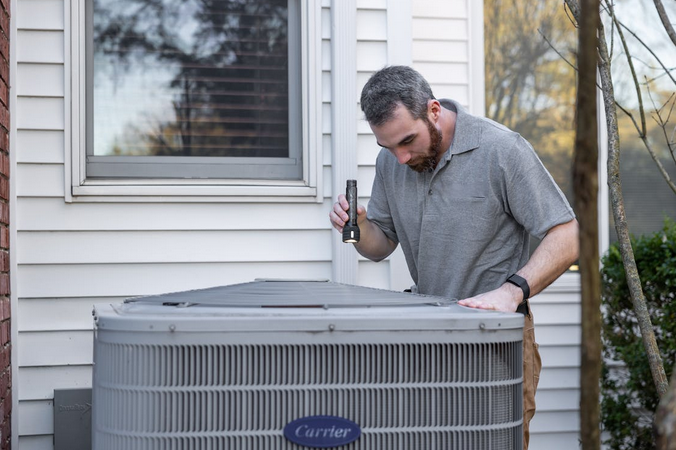
Just like a vehicle benefits from routine servicing, HVAC systems require regular inspections by a professional. Having a technician examine your system twice a year—typically once before summer and once before winter—can identify minor mechanical issues before they become costly repairs. During a maintenance visit, a specialist cleans components, checks refrigerant levels, lubricates moving parts, and confirms that the thermostat is functioning correctly. This professional attention significantly extends the unit’s lifespan while maintaining consistent performance.

Keep Outdoor Units Clean and Clear

Outdoor units are often overlooked, yet their condition is major in HVAC longevity. Over time, leaves, dirt, grass clippings, and other debris obstruct airflow around the condenser. This forces the system to exert extra energy, shortening its life expectancy. Homeowners should regularly clear a two-foot space around the unit and gently clean the exterior fins with a garden hose. Avoid placing heavier objects on or near the system. A clean outdoor unit means the system runs more efficiently and experiences less wear.

Manage Thermostat Usage Wisely

thermostat

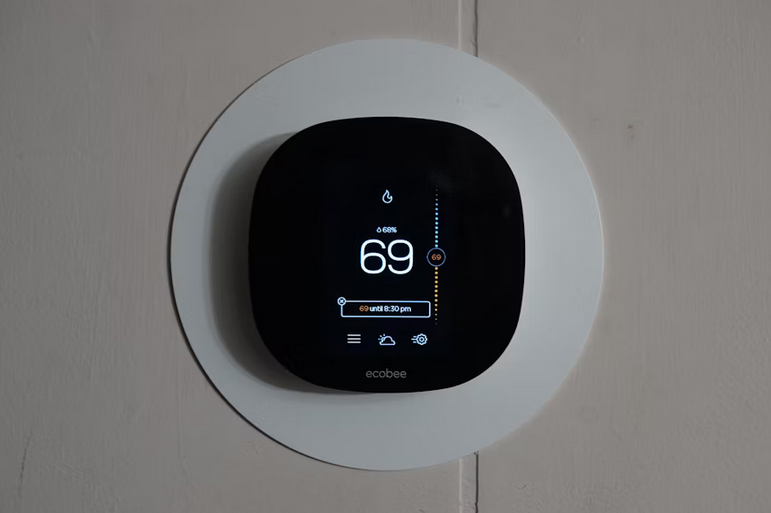
How you use your thermostat directly impacts your HVAC system’s durability. Constantly adjusting the temperature or setting it to extreme highs or lows forces the system to cycle more frequently, wearing it out prematurely. A smart thermostat or programmable model allows you to set schedules that balance comfort and efficiency. For example, raising the temperature slightly when no one is home in summer or lowering it in winter prevents unnecessary strain. Proper thermostat habits can reduce overall system workload, leading to fewer breakdowns and longer service life.

Improve Home Insulation and Ventilation

Your HVAC doesn’t work alone—it is part of your home’s overall environment. Poor insulation and leaky ducts force the system to compensate for lost air, increasing its workload. Similarly, blocked vents or closed registers create pressure imbalances that hinder performance. To prevent this, check that ducts are correctly sealed and vents remain unobstructed. Additionally, improving insulation in attics, walls, and basements reduces energy loss. These adjustments ease the strain on your HVAC system, allowing it to function smoothly for many years.

Making your HVAC system last longer doesn’t require complicated steps—it comes down to consistent and thoughtful maintenance. The top five practices every homeowner should focus on include replacing air filters regularly, scheduling professional maintenance, keeping outdoor units clean, managing thermostat usage wisely, and improving insulation and ventilation. By integrating these habits into your routine, you extend the lifespan of your system, cut down on costly repairs, and maintain a comfortable living environment. A little proactive effort now helps you enjoy reliable performance from your HVAC system well into the future.