
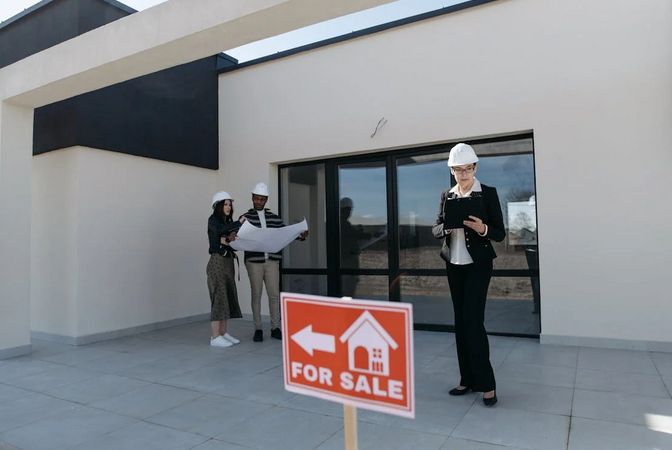
Costa Rica’s vibe, culture, and natural beauty have been attracting tourists and expats alike for decades. The country is known as a top destination for retirees, digital nomads, and investors looking to buy a vacation home or rental property. For good reasons, foreigners can own property in Costa Rica and make it the best investment ever.
No, we’re not just talking about beautiful lush rainforests, vibrant cities, and stunning beaches. Costa Rica’s real estate market has been on the rise for years, and there are plenty of reasons to call this country your investment home. Let’s take a closer look at why investing in Costa Rica properties is a smart move for foreigners.
Strong Tourism Industry

Costa Rica’s allure extends far beyond its stunning landscapes and pristine beaches. The country boasts a strong tourism industry that attracts millions of visitors every single year, creating a strong demand for rentals and vacation homes. From lush rainforests to vibrant cities, Costa Rica offers sexy attractions that cater to every traveler’s preferences.
The country’s eco-tourism initiatives have positioned it as a leader in sustainable travel, appealing to conscious investors aiming to align their values with their investment choices. With an array of outdoor activities such as surfing, zip-lining, and wildlife tours, Costa Rica has something for everyone seeking adventure or relaxation.
Stable Political Environment
Costa Rica boasts a stable political environment, which is crucial for anyone looking to invest in properties abroad. The country has a long-standing democratic tradition and a history of peaceful transitions of power. This stability provides foreign investors with confidence that their investments will be safeguarded by strong institutions and the rule of law.
The government in Costa Rica is known for its commitment to upholding property rights and creating a welcoming environment for international investors. Additionally, the country has a reputation for being transparent and business-friendly, making it easier for foreigners to navigate the real estate market. With stable governance in place, investors can rest assured that their assets are protected from sudden policy changes or political turmoil. This predictability allows individuals to plan their investments with more certainty and peace of mind.
Growing Real Estate Market

Investing in Costa Rica’s real estate market is a lucrative opportunity for foreigners looking to diversify their portfolio. Whether you’re interested in buying a vacation home, rental property, or land for development, Costa Rica offers diverse opportunities to suit your investment goals. From beachfront condos to mountain villas and urban commercial spaces, there is something for every type of investor in this dynamic market.
Investing in Costa Rica’s growing real estate market can provide long-term financial benefits while allowing you to enjoy all that this beautiful country has to offer. Whether you’re seeking a profitable investment or simply looking for your piece of paradise, now is a great time to consider Costa Rica as your next property investment destination!
Affordable Property Prices
Costa Rica offers a fantastic opportunity for foreigners looking to invest in real estate with its affordable property prices. Whether you are considering a vacation home, rental property, or retirement destination, Costa Rica has options to suit various budgets and preferences. From beachfront condos to mountain villas and lush jungle retreats, there is something for everyone at reasonable prices. The cost of living in Costa Rica is also relatively low compared to many other countries, making it an attractive choice for those looking to stretch their investment dollars further. With the right research and guidance from local experts, finding an affordable property that meets your needs is within reach.
When considering investing in Costa Rica properties as a foreigner, the bottom line is clear: it’s a smart move. So, are you ready to take advantage of these favorable conditions and work with reputable local partners? If so, you’re up for lots of long-term benefits and rental income potential.
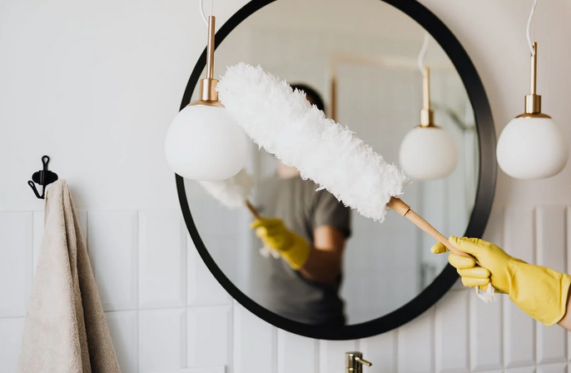

 Air purifiers help to remove dust mites and other particles from the air. To ensure that you get rid of all dust mites in your home, it is important to choose an air purifier with a HEPA filter. These filters can trap up to 99% of small particles, including dust mites, pollen, and pet dander. If you are new to air purifiers, you can read reviews online to find out which one is the most suitable for you. Make sure that you purchase one from a reputable brand. Depending on the size of your living space, you may need to buy more than one purifier.
 Replacing your carpets can drastically reduce the number of dust mites in your home. Carpets and rugs are a big source of dust mite infestations, so opting for hardwood floors or tile instead is the best way to get rid of them. If you don’t want to go through with this option, then you can invest in a good vacuum cleaner that is specifically designed to pick up dust mites. Some people even get them professionally cleaned.
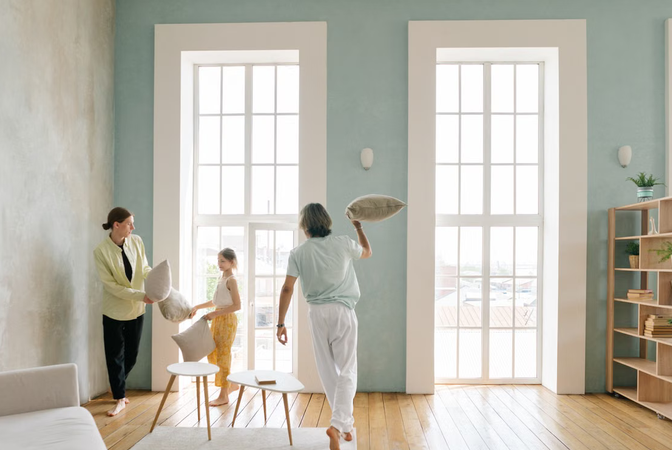
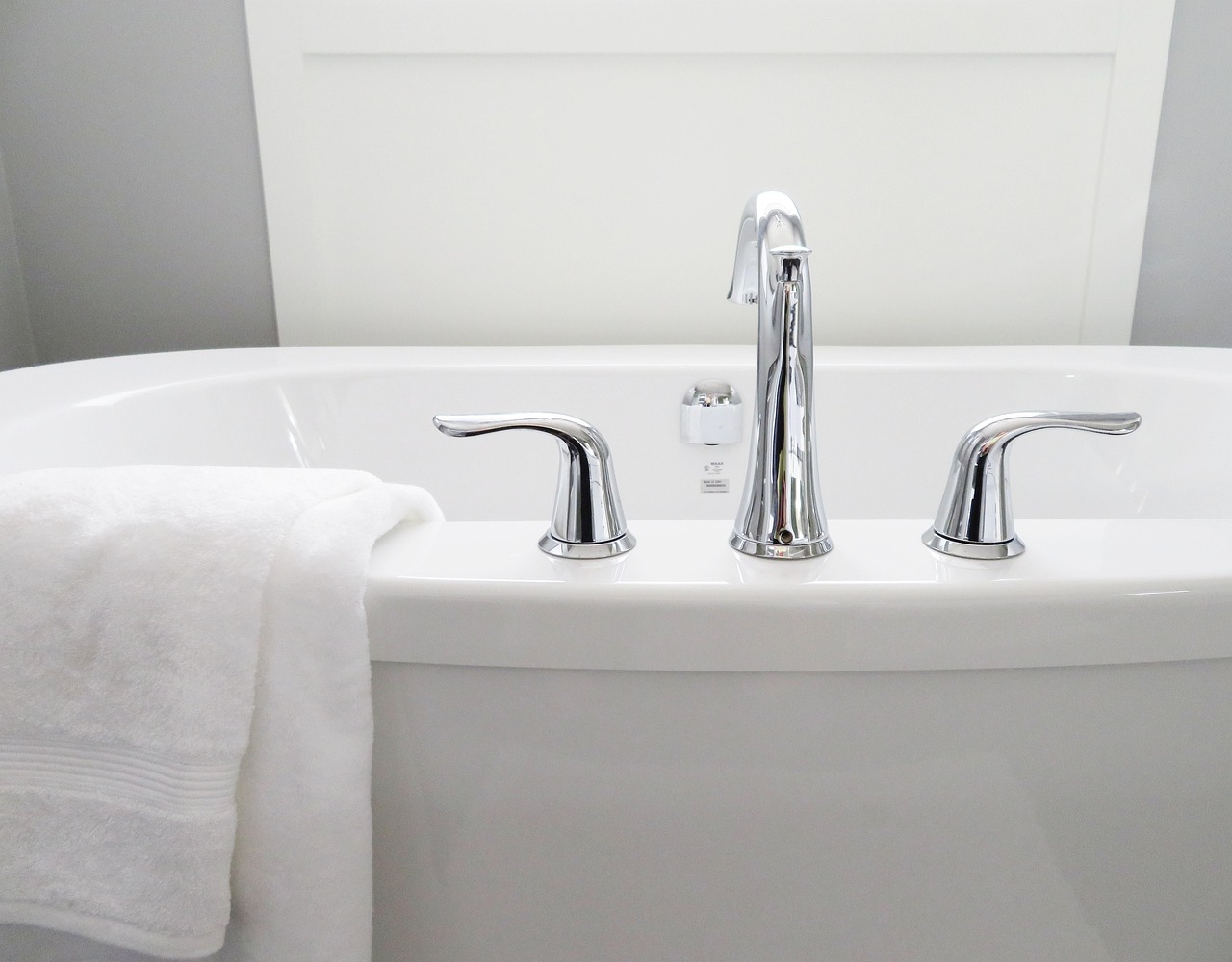
 One of the most significant advantages of converting your tub to a shower is the increased accessibility it offers. Traditional tubs can be challenging for people with mobility issues, making daily routines cumbersome and risky. Showers often come with low or no thresholds, allowing for easy entry and exit. This design minimizes the chances of slips or falls—common concerns in wet environments. Additionally, many modern showers feature grab bars and built-in seating options, providing extra support during use. These elements not only enhance safety but also promote independence for those who may need assistance.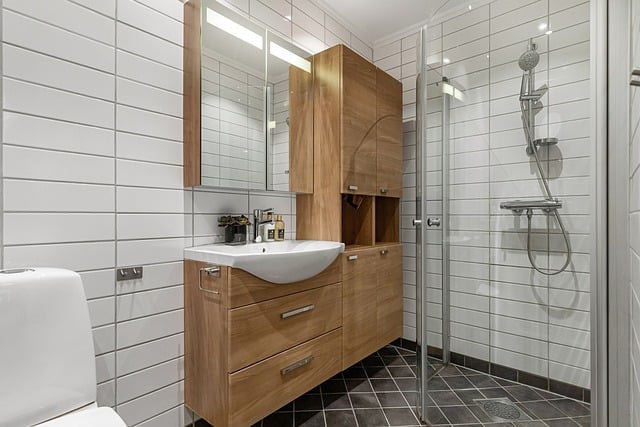
 A tub-to-shower conversion can significantly boost your home’s appeal. Many buyers prioritize modern amenities today, and a sleek shower fits the bill better than a bulky bathtub. This transformation enhances aesthetics and aligns with current lifestyle trends. More people are opting for quick, efficient showers over lengthy baths. Potential buyers may find this upgrade particularly enticing, especially in smaller houses where space is at a premium. A well-designed shower can create the illusion of more room, adding to that coveted open-space feel. Additionally, energy-efficient fixtures can be integrated into the new design. This helps reduce water usage and signals cost savings to prospective homeowners.