A comfortable home depends on more than attractive furniture and quality building materials. The way rooms are positioned within a house also has a lasting effect on daily living. Room orientation refers to how different areas of a home face the sun, surrounding landscape, and prevailing winds. This design choice influences natural lighting, indoor temperature, ventilation, and even how people use each space throughout the day. While it may not receive as much attention as floor plans or interior finishes, room orientation plays an important role in creating a pleasant living environment. Understanding why room orientation affects everyday living comfort helps homeowners appreciate how thoughtful design supports a better lifestyle year-round.
Maximizing Natural Lighting
Natural light is one of the most noticeable benefits of proper room orientation. Sunlight brightens interior spaces, reduces dependence on artificial lighting, and creates a more inviting atmosphere. Rooms that receive balanced daylight often feel more open and comfortable during daytime hours. Living rooms, kitchens, and home offices typically benefit from generous natural light because they are frequently occupied throughout the day. On the other hand, bedrooms may require softer morning or evening light depending on personal preferences. Proper orientation allows each room to receive lighting that matches its primary purpose, making daily activities more comfortable without excessive glare or darkness.
Managing Indoor Temperatures
Sunlight directly influences indoor temperatures. Rooms exposed to strong afternoon sun may become noticeably warmer, while spaces with limited direct sunlight often remain cooler. Thoughtful room orientation helps create a more balanced indoor environment by considering how the sun moves throughout the day. Areas used during warmer afternoon hours can be positioned to reduce excessive heat exposure, while rooms that benefit from additional warmth may take advantage of favorable sunlight. Better temperature management reduces discomfort while supporting more efficient heating and cooling throughout the home. Even small improvements in solar exposure can contribute to a more pleasant indoor climate.
Encouraging Natural Ventilation
Fresh air circulation improves comfort inside any home. Proper airflow removes stale air, reduces indoor humidity, and creates a healthier living environment. Room orientation plays an important role in capturing natural breezes. Windows positioned to take advantage of prevailing winds encourage cross-ventilation, allowing fresh air to move through the house more effectively. This natural airflow helps cool interior spaces during mild weather while reducing the need for mechanical ventilation. Comfortable airflow also improves the overall feeling of freshness inside the home, making living spaces more enjoyable throughout the year.
Supporting Daily Activities

Different rooms serve different purposes, and their orientation can improve how comfortably those activities take place. A well-positioned kitchen may receive pleasant morning light during breakfast preparation, while a family room may benefit from comfortable afternoon brightness during shared activities. Home offices often perform better when natural light reduces eye strain without creating distracting screen reflections. Bedrooms positioned away from intense afternoon sunlight may remain cooler during evening rest. By aligning room orientation with daily routines, homeowners experience greater comfort while making better use of every space within the home. Functional design supports both convenience and long-term satisfaction.
Improving Energy Efficiency
Energy efficiency is influenced by many design choices, and room orientation is one of the most important. Homes that make better use of natural sunlight and ventilation often require less artificial lighting and mechanical climate control. Reducing unnecessary heat gain during warmer months lowers cooling demands, while taking advantage of seasonal sunlight may reduce heating needs during cooler periods. Natural lighting also decreases electricity use during daytime hours. These combined benefits contribute to lower operating costs while improving overall comfort. Energy-conscious design begins long before construction is complete, making room orientation a valuable consideration during the planning stage.
Increasing Long-Term Living Satisfaction
Comfort is experienced every day, making room orientation an investment that continues providing value long after a home is completed. Unlike decorative features that may change over time, room positioning remains part of the home’s permanent design. Well-oriented homes often feel brighter, more comfortable, and easier to enjoy throughout changing seasons. Occupants benefit from improved lighting, better airflow, balanced temperatures, and spaces that function naturally within daily routines. These qualities support long-term satisfaction because they improve everyday living without requiring ongoing adjustments. Careful planning during the design stage continues rewarding homeowners for many years after they move in.
Room orientation affects everyday living comfort by maximizing natural lighting, managing indoor temperatures, encouraging natural ventilation, supporting daily activities, improving energy efficiency, and increasing long-term living satisfaction. While it may seem like a simple architectural decision, the placement of each room influences how comfortably people experience their homes every day. Understanding why room orientation affects everyday living comfort demonstrates that successful home design extends beyond appearance alone. Homes planned with careful attention to sunlight, airflow, and daily living patterns create healthier, more efficient, and more enjoyable spaces. As homeowners continue prioritizing comfort and sustainability, room orientation will remain one of the most valuable design considerations in residential construction.

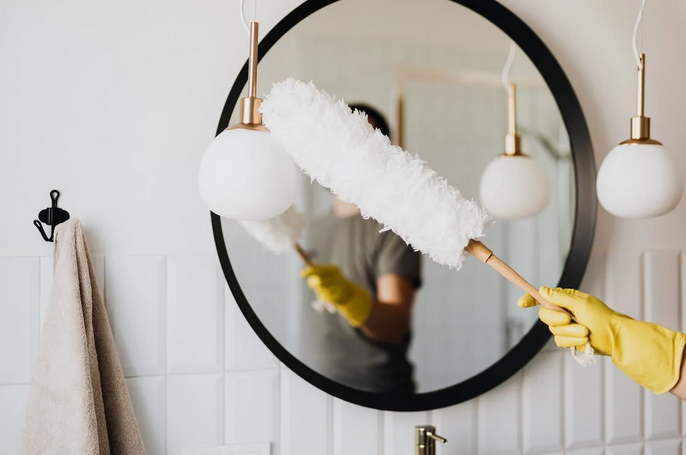
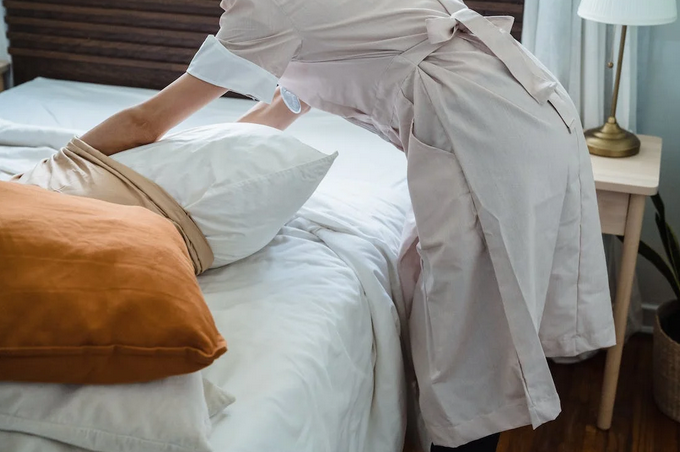
 Air purifiers help to remove dust mites and other particles from the air. To ensure that you get rid of all dust mites in your home, it is important to choose an air purifier with a HEPA filter. These filters can trap up to 99% of small particles, including dust mites, pollen, and pet dander. If you are new to air purifiers, you can read reviews online to find out which one is the most suitable for you. Make sure that you purchase one from a reputable brand. Depending on the size of your living space, you may need to buy more than one purifier.
 Replacing your carpets can drastically reduce the number of dust mites in your home. Carpets and rugs are a big source of dust mite infestations, so opting for hardwood floors or tile instead is the best way to get rid of them. If you don’t want to go through with this option, then you can invest in a good vacuum cleaner that is specifically designed to pick up dust mites. Some people even get them professionally cleaned.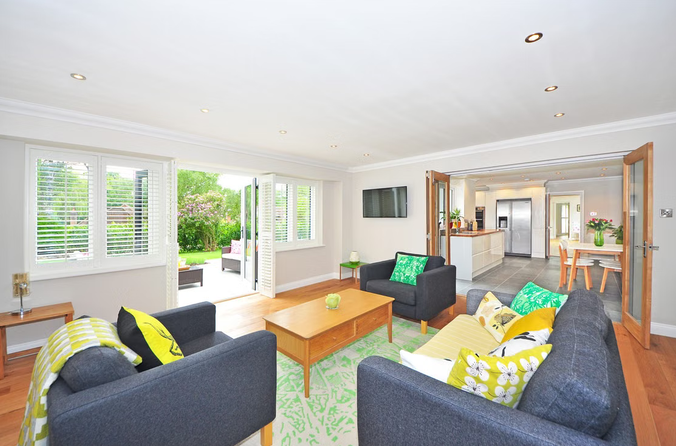

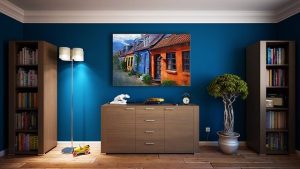 Singapore is a multi-cultural city. We have people from all over the world living here. As a result, our homes are a reflection of our diverse cultures. You will find furniture from all over the world in Singaporean homes. This is one of the things that makes our furniture scene so unique and interesting. One of the biggest populations in Singapore is those of Chinese ethnicity, and the Chinese love congregating due to the many holidays.
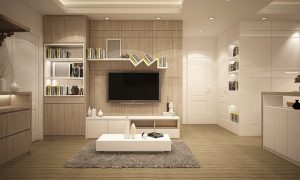 Singaporeans are practical people, and we like our homes to be functional as well as beautiful. Homeowners are always on the lookout for furniture that is both stylish and practical. One of the most popular trends in Singapore right now is modular furniture. Modular furniture is perfect for small homes as it is very versatile and can be used in many different ways.